Last updated November 22, 2026
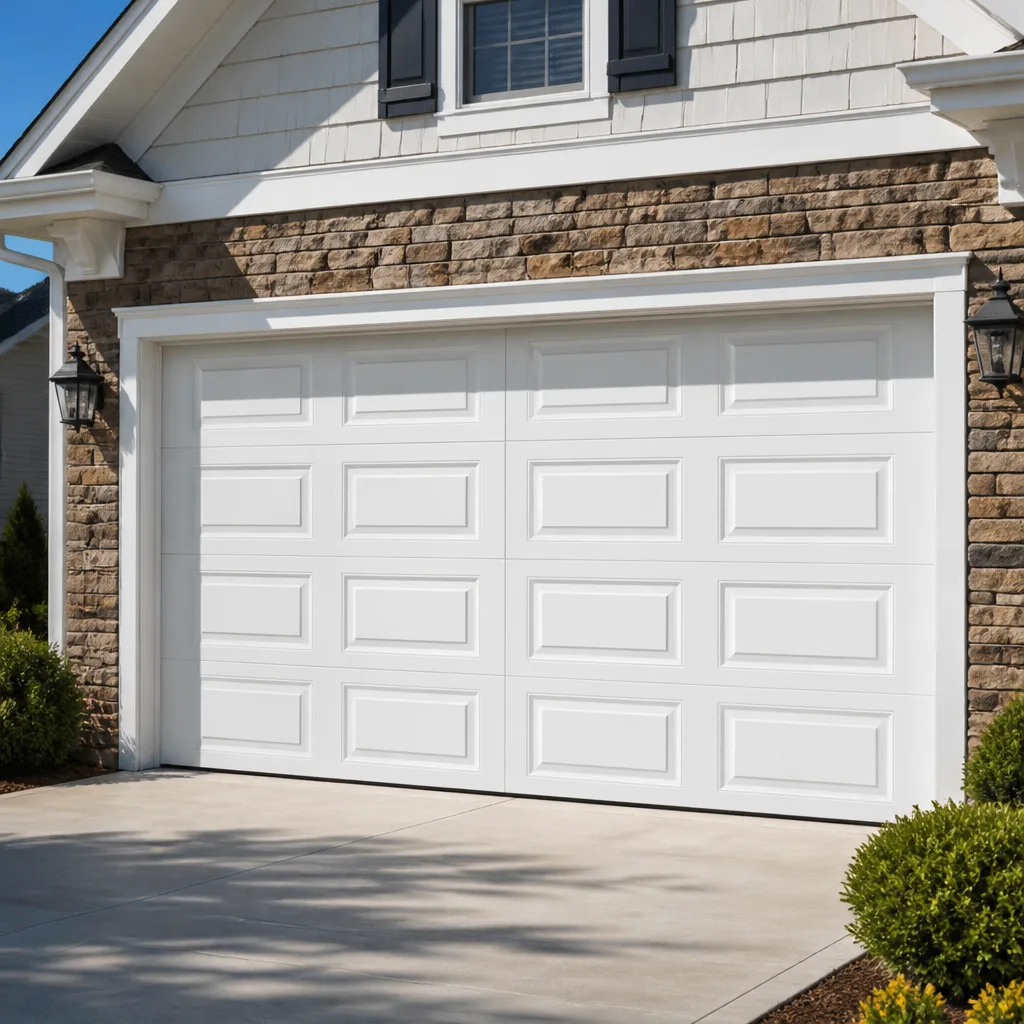 Raised-panel steel
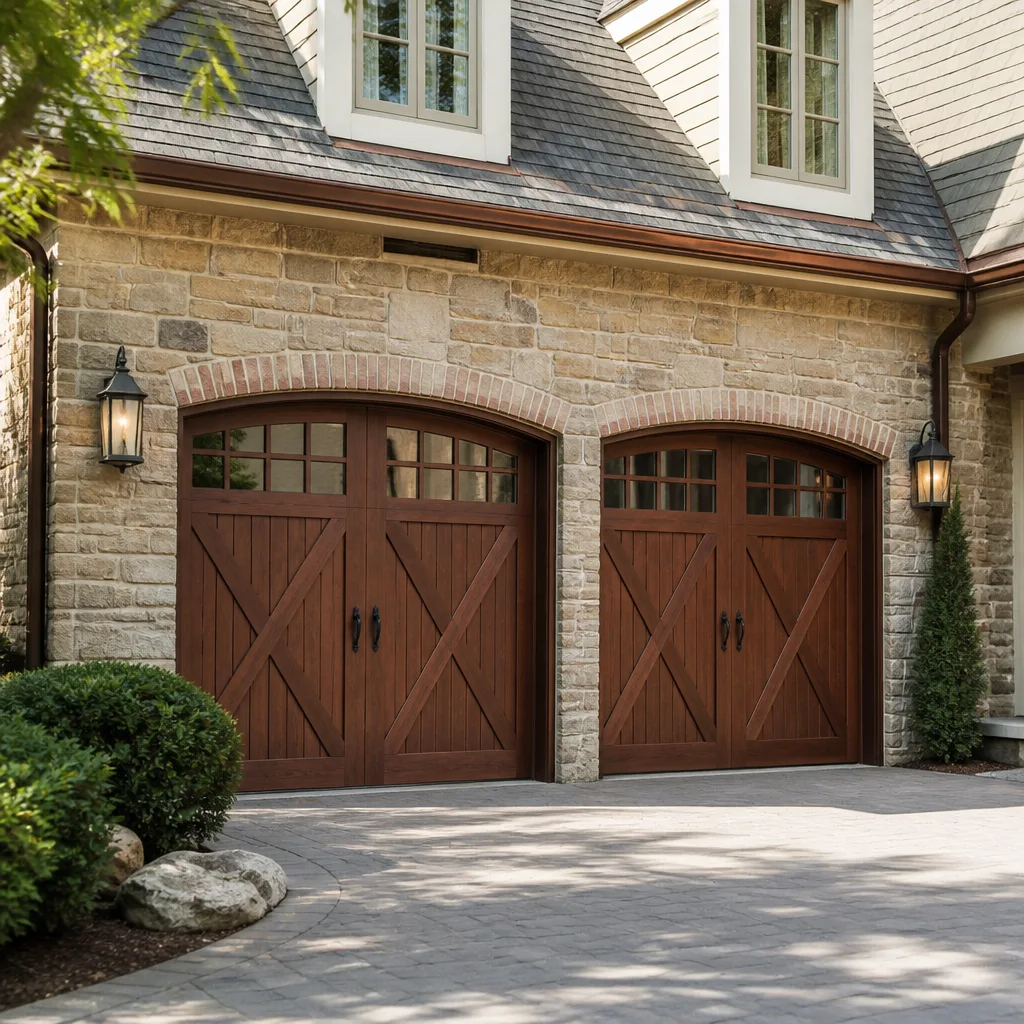 Carriage house
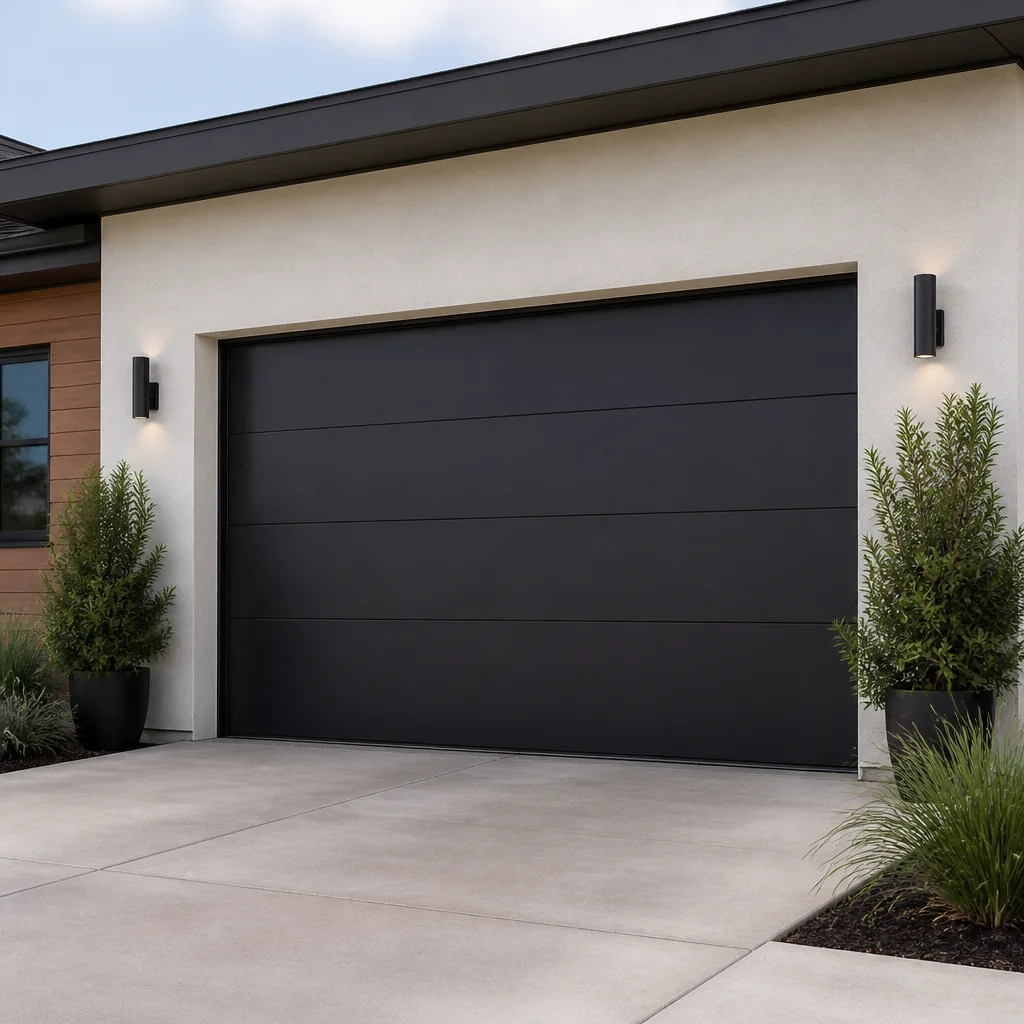 Modern flush
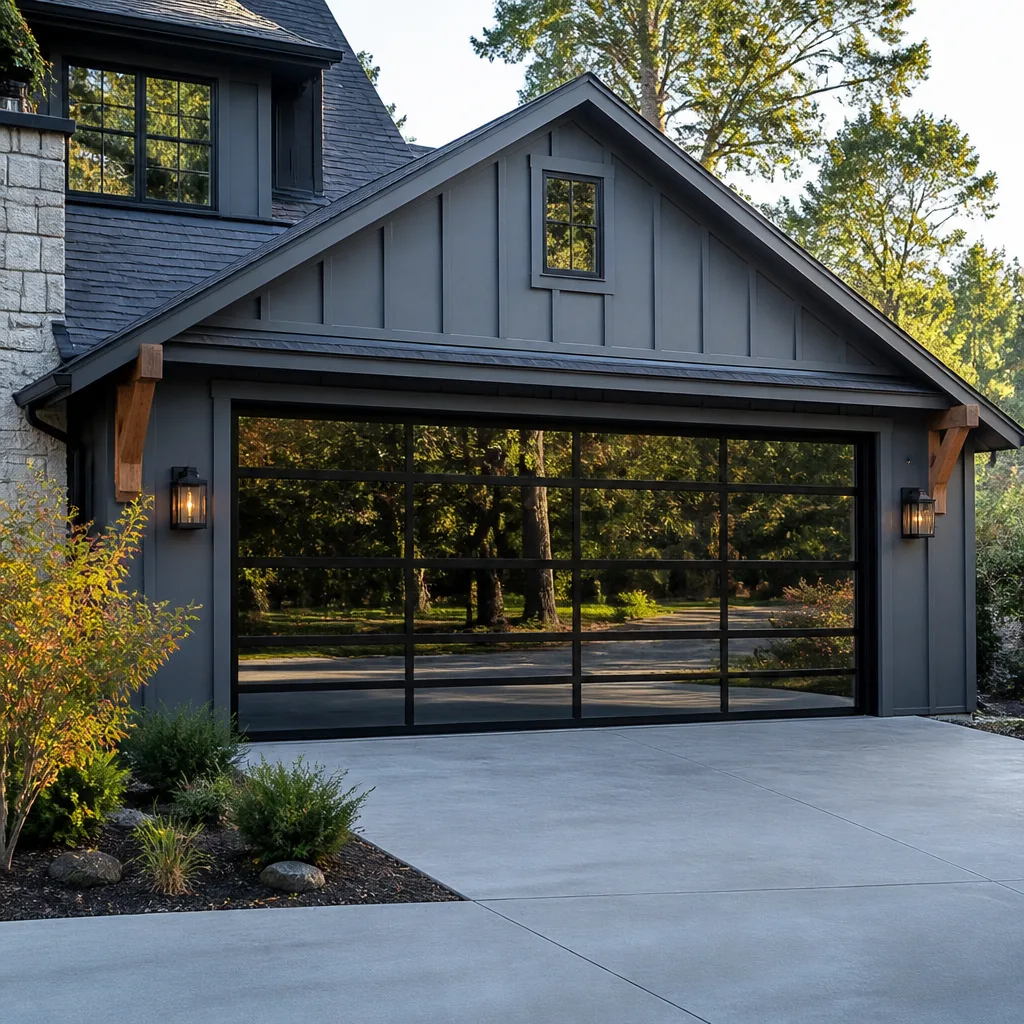 Full-view glass
 LiftMaster openers
 Chamberlain openers
Full 25-point door and opener safety check with every visit - springs, cables, rollers, tracks, and your LiftMaster or Chamberlain opener included
You get a price before we start. It does not change when the pro arrives.
Get your free estimateGarage Door Permits, Codes & Inspections in South Hill, WA: What You Need to Know
Most homeowners assume that a garage door replacement is a simple swap – old door off, new door on – and that no one from the county needs to know about it. That assumption holds up fine for a basic like-for-like change. It falls apart the moment the job touches structure, changes the opening, or arrives at a resale inspection. We’ve watched South Hill homeowners get caught on both sides of this: over-permitting a routine spring swap out of caution, and skipping the required inspection on a full structural replacement. Neither is what you want. This guide walks through the actual permit thresholds, how South Hill’s place in Pierce County shapes which code authority applies, what an inspection really looks like, and where HOA approvals stack on top of everything else.
Quick Answer
In most cases, replacing a garage door with one of the same size, in the same opening, on the same tracks, doesn’t require a permit in South Hill. But a job that changes the opening, alters structural framing, adds or repositions a header, or converts the garage into living space does – and it will usually require an inspection before the work is closed up. Which authority reviews it depends on whether the property sits in unincorporated Pierce County or inside a city boundary. When in doubt, call the Pierce County building department or your city’s permit desk and describe the job in plain terms; a quick conversation settles it.
Styles & brands we work with
- Raised-panel steel
- Carriage house
- Modern flush
- Full-view glass
- LiftMaster openers
- Chamberlain openers
Table of Contents
- The Permit Threshold: When a Garage Door Job Crosses the Line
- Which Authority Applies in South Hill: Pierce County or the City?
- Washington Energy Code and Insulated Garage Doors
- What the Inspection Actually Looks Like
- HOA Approvals Stacked on Top of Municipal Permits
- What Your Contractor Should Handle for You
- How This Plays Out at Resale
- Common Mistakes to Avoid
The Permit Threshold: When a Garage Door Job Crosses the Line
The clearest way to think about it: a garage door replacement is a permit question only when the job stops being a replacement and starts being construction. Swapping a door for one of comparable size, hung on the existing tracks and springs, is a product replacement. Cutting a wider opening, moving the header, reinforcing a sagging lintel, or changing the wall structure around the opening is construction work, and construction work on a load-bearing wall is where the county or city wants to review a plan first.
Here’s where most South Hill jobs land:
- Like-for-like replacement: same width, same height, same wall opening, existing tracks reused. Typically no permit required.
- New door in an existing opening, new tracks and springs: still a product replacement. No permit in the ordinary case.
- Widening or raising the opening: this cuts the header and changes structural framing. Permit required.
- Converting the garage to living space: this changes the use of the room entirely and pulls in structural, insulation, and egress review. Permit and inspection required.
- Adding a garage where there wasn’t one: full structural review, permit, and inspection sequence.
- Header damage discovered during replacement: if the framing behind the opening is rot or cracked, the repair that follows is structural work, not a door swap.
That last point catches people off guard. We’ve seen plenty of replacement jobs in South Hill where the door came off and the framing behind it was soft or split – South Hill’s wet winters do framing no favors over a couple of decades, and the wall behind the trim is where that shows up. Once a technician opens that wall, the job has changed category, and it’s worth pausing to confirm whether the repair needs a permit before proceeding.
If your job is a straightforward garage door repair – a snapped spring, a bent track, an opener that won’t reverse – none of this applies. Repairs to existing components are maintenance, not construction. The permit question starts with the frame and the opening, not with the hardware.
Which Authority Applies in South Hill: Pierce County or the City?
This is the part of the process that trips up South Hill homeowners more than any other, and it has nothing to do with the door itself. South Hill is a census-designated place in unincorporated Pierce County, not an incorporated city. Depending on the exact parcel, a homeowner may be dealing with Pierce County’s building department, a neighboring city’s jurisdiction if the property sits near an incorporated boundary, or – in a handful of edges – a municipal code office. The address determines the authority, and the answer isn’t always obvious from the mailing address alone.
Here’s how to pin it down:
- Start with the parcel number. Pierce County’s online property records show whether the parcel is inside an incorporated city or in unincorporated county area.
- Call the jurisdiction that owns the parcel. If it’s unincorporated, that’s Pierce County Planning and Public Works. If it’s inside a city boundary, it’s that city’s permit desk.
- Describe the job in plain language. “I’m replacing a 16-foot door with a same-size door, no framing changes” gets a clear answer fast. So does “I’m cutting a wider opening and moving the header.”
- Write down what they tell you. Note the name of the person, the date, and what they said. If any question comes up later, that note is worth keeping.
Homeowners in South Hill’s master-planned subdivisions sometimes assume that because the development sits under a specific city’s branding, the permitting runs through that city. It doesn’t always. The parcel record is the only reliable answer. One more wrinkle: even when no permit is required, some jurisdictions still want a record of work that changes the exterior envelope of a home, so a phone call before you commit is cheap insurance either way.
If you’re weighing a repair against a replacement and want a clear read on what the job actually involves before you call the county, our team handles South Hill Garage Door Repair across the full spectrum from opener work to full installation, and we can tell you from the driveway whether the job is likely to cross into permit territory.
Washington Energy Code and Insulated Garage Doors
Washington’s energy code treats the garage differently depending on whether the space is conditioned. This matters for South Hill homeowners because the code requirement shifts based on whether the garage sits adjacent to heated living space and how the door is built. A door on the front of an unconditioned garage in a typical South Hill single-family home gets less scrutiny than a door that separates a heated room from outside air, or a garage that’s been converted to living space.
In practice, three scenarios matter:
- Straight replacement on an unconditioned attached garage: the door you choose has to meet the code in effect at the time of installation, but for an ordinary like-for-like swap this is usually a product selection question rather than a permit question.
- Replacement as part of a remodel or addition: the energy code requirement applies at the level the remodel triggers – often the full envelope requirement for that assembly.
- New construction: the energy code requirements apply to the door as part of the whole building envelope, and the inspector will check it.
What that means in plain terms: an insulated door makes sense in South Hill for comfort and for the way our winters pull cold into the rooms above an attached garage, and a polyurethane-insulated door from a major manufacturer like Clopay or Amarr will hold its R-value far better than a basic pan door over time. For a code-driven job, the door you pick has to match what the permit application specifies. If the permit names an insulated door with a stated R-value, the inspector may ask to see the manufacturer’s product data confirming that spec. Order the door that matches the paperwork.
One more detail: our part of Pierce County sees a lot of shoulder-season moisture, and an uninsulated steel door in a South Hill garage tends to sweat on the interior face during cold snaps. That’s a comfort problem first, but it’s also the reason an insulated door is worth considering even when the code doesn’t demand it.
What the Inspection Actually Looks Like
An inspection on a garage door job is a short, scheduled visit – usually 15 to 30 minutes – where the inspector confirms that what got built matches what got permitted. It isn’t a mystery, and it doesn’t involve tearing the door apart. For a structural job (opening change, header repair, garage conversion), the inspector typically wants to see three things:
- The framing around the opening, before it’s closed in. This is why a “rough-in” inspection happens at a specific point in the sequence: after framing, before drywall or trim. If the job closes up before the inspection, the inspector can’t verify the structure and may require it be opened again.
- The door installation itself. Door, tracks, springs, and hardware installed per the permitted spec, with clearances and safety devices in place.
- The final inspection. Everything as-built, the permit signed off, paperwork closed.
Timing: Pierce County typically schedules inspections a few business days out from the request, and the window varies with workload. That’s a scheduling question, not a scary one. What matters most is planning the door installation around the inspection sequence – not the other way around – so the job doesn’t get held up waiting for an open slot.
For a straight replacement with no permit required, there’s no inspection. For a structural job, the sequence is: permit issued, framing done, rough-in inspection, door and trim installed, final inspection, permit closed. A contractor who’s familiar with Pierce County’s process will build that sequence into the schedule instead of discovering it halfway through.
If your existing door is stuck or off its track and you’re not sure whether the repair is a maintenance item or a structural one, garage door repair work on the existing hardware comes first – get the door safe and working, then decide what the framing needs.
HOA Approvals Stacked on Top of Municipal Permits
South Hill has a lot of master-planned neighborhoods where the county or city permit is only half the paperwork. The HOA – often run by a community association or a management company – has its own architectural review process, and it runs on a separate timeline. The two approvals don’t substitute for each other: a county permit doesn’t satisfy the HOA, and an HOA approval doesn’t substitute for a permit.
Here’s how to run both at once without losing weeks:
- Read the CC&Rs and architectural guidelines first. Most South Hill HOAs specify door style, color, panel configuration, and sometimes the manufacturer. Knowing this before you pick a door saves the headache of ordering one that gets rejected.
- Submit the HOA architectural request and the permit application in parallel, not in sequence. Neither one needs to wait for the other to finish.
- Get HOA approval in writing before you order. A verbal “should be fine” from a board member is not approval; the letter is.
- Check whether the HOA wants a post-installation photo or inspection. Some do, and it’s easy to miss.
Color and panel style are the most common HOA sticking points in South Hill. A door that matches the neighborhood’s established look is easy to approve; a door that reads as a different style often isn’t. If the door you want is a Wayne Dalton or Craftsman model with a specific panel profile, confirm that profile matches the HOA’s approved styles before you commit. Amarr and Clopay both offer panel profiles that fit common HOA specs, but you need to know the spec to pick the right one.
On timing: HOAs often meet monthly or quarterly to review architectural requests, and that review is the long pole in the schedule. Start the HOA paperwork the week you start planning the job, not the week the door ships.
What Your Contractor Should Handle for You
A good garage door contractor handles the permit and inspection workflow as part of the job, not as an extra you have to coordinate. In our experience, the difference between a smooth job and a frustrating one is whether the contractor knows the jurisdiction’s process before the first screw goes in.
What your contractor should be able to do:
- Tell you, from the job description, whether the work crosses into permit territory.
- Pull the permit if one is required, or tell you clearly that the job doesn’t need one.
- Schedule the rough-in and final inspections in the correct sequence.
- Provide the manufacturer’s product data for any code-driven door spec.
- Coordinate around the HOA architectural review timeline.
What your contractor should not do: hand you the permit paperwork and tell you to sort it out, or promise that “no one will care” about a structural change. The first leaves you doing the coordination; the second leaves you holding the liability.
We work on your brand regardless of what’s on the door – LiftMaster, Chamberlain, Genie, Clopay, Amarr, Wayne Dalton, Craftsman, and Raynor are all in regular rotation for us. That matters for permit jobs in a specific way: when the permit names a product spec, we can source the exact door and opener combination that matches, instead of substituting something close and hoping the inspector doesn’t check.
For spring work specifically, we treat it as its own job – garage door spring repair is where DIY attempts cause the most injuries, and it’s also where we can tell you quickly whether the surrounding framing is sound or has been compromised.
How This Plays Out at Resale
Permit issues usually show up years after the work is done, during a buyer’s inspection. A Pierce County inspector doing a resale walkthrough will pull the permit history for the address. If they find structural work on the garage – a widened opening, a header repair, a converted garage – with no matching permit or inspection on record, the finding goes into the report. That finding then becomes a negotiation point, a repair request, or in the worst case a deal-breaker.
The fix is almost always available, but it’s slow: the seller files for a permit after the fact, the county inspects what’s already built, and if anything doesn’t meet code it gets corrected. That’s weeks of delay during a transaction, on top of whatever the buyer negotiates in price. The cost isn’t a mystery figure – it’s the permit fee plus whatever correction the inspector requires, and the negotiating leverage you lose when the buyer sees an unpermitted structural change on the report.
The clean answer is simpler. If you’re planning a garage door job in South Hill that touches framing, get the permit before the work, get the inspection on the record, and keep the signed-off paperwork with your home records. A homeowner who can produce a closed permit at resale has nothing to explain. That’s worth more than the few hundred dollars in permit fees and the short wait for an inspection slot.
For like-for-like replacement – the most common job in South Hill – none of this comes up. The permit history shows nothing because there is nothing to show, and the door replacement is a product purchase, not construction. The threshold question is worth asking before every job, though, because the boundary isn’t always obvious at the start.
Common Mistakes to Avoid
- Assuming a “garage door replacement” never needs a permit. A straight swap usually doesn’t. A widened opening, a header repair, or a garage conversion does, and those are sometimes described casually as “replacement” until the wall comes open.
- Permitting a simple spring or track repair. Repairs to existing hardware aren’t construction. Pulling a permit for a spring replacement is unnecessary cost and delay.
- Guessing at the jurisdiction. South Hill’s mix of unincorporated county land and nearby city boundaries means the answer depends on the parcel, not the mailing address. Check the parcel number first.
- Getting HOA approval after ordering the door. HOA review can take weeks and often meets monthly. Start the architectural request the same week you start planning the job. South Hill’s master-planned neighborhoods are where this bites hardest.
- Closing up the framing before the rough-in inspection. The inspector can’t verify what they can’t see, and having to open the wall again adds cost and delay.
- Ordering a door that doesn’t match the permitted spec. If the permit names an insulated door with a specific R-value, the inspector will want to see product data confirming it. Order the door that matches the paperwork, not the one that’s easiest to get.
- Losing the paperwork. Permit closure documents go with the home records. A folder in the file cabinet costs nothing and saves a headache at resale.
See the difference
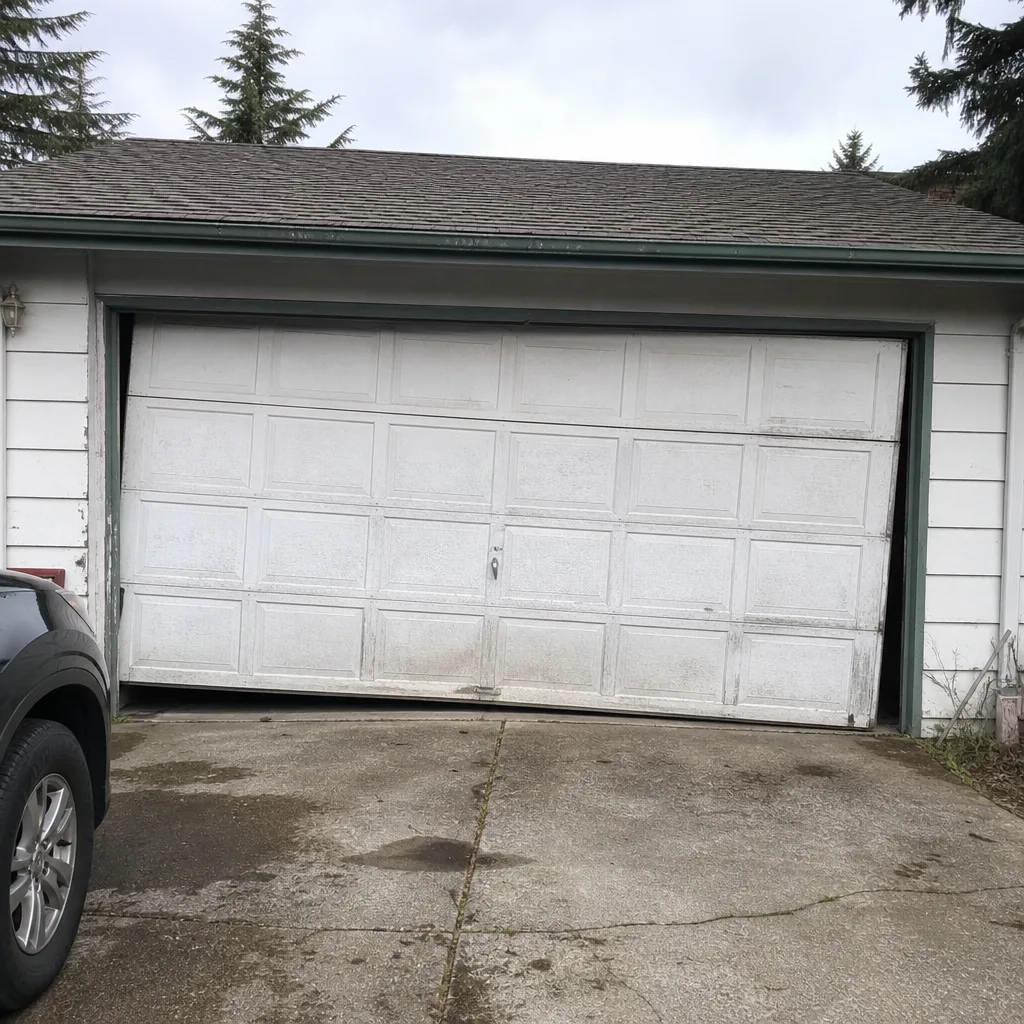 Before
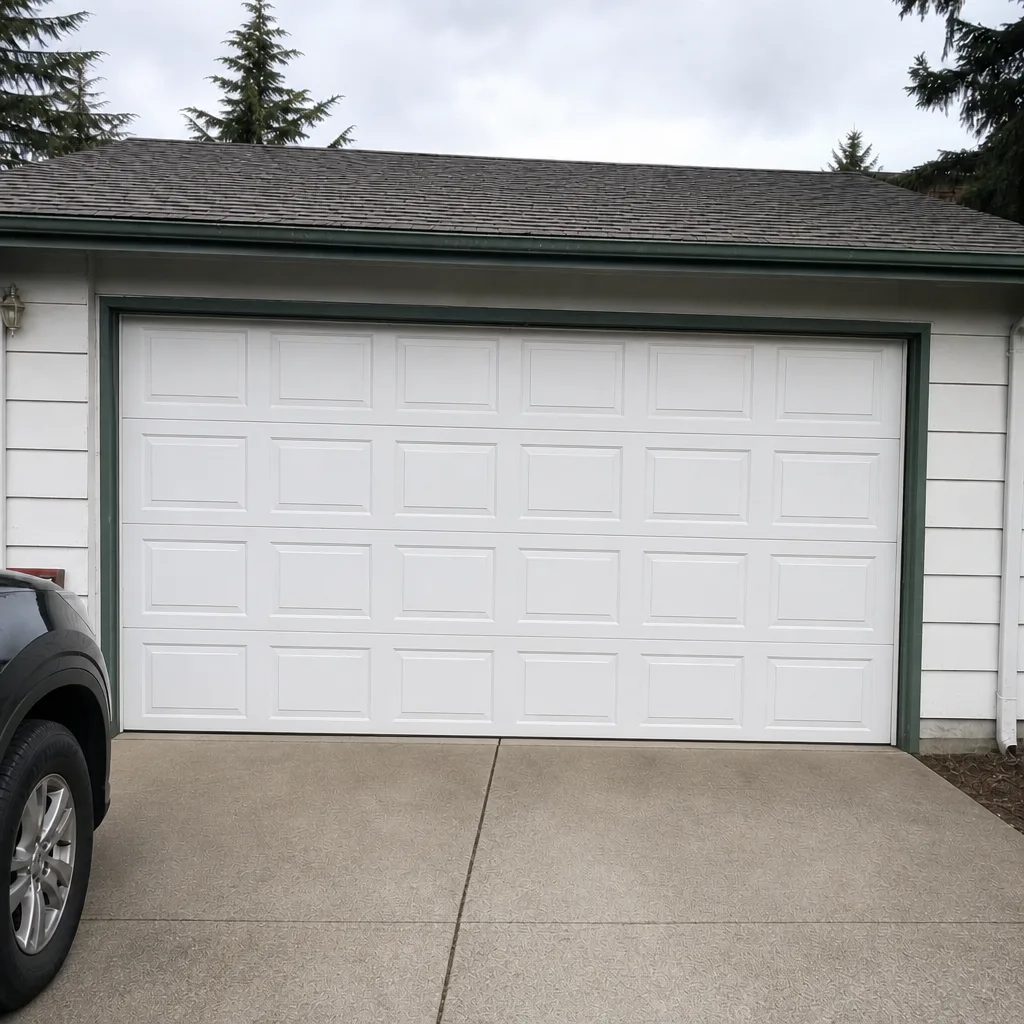 After
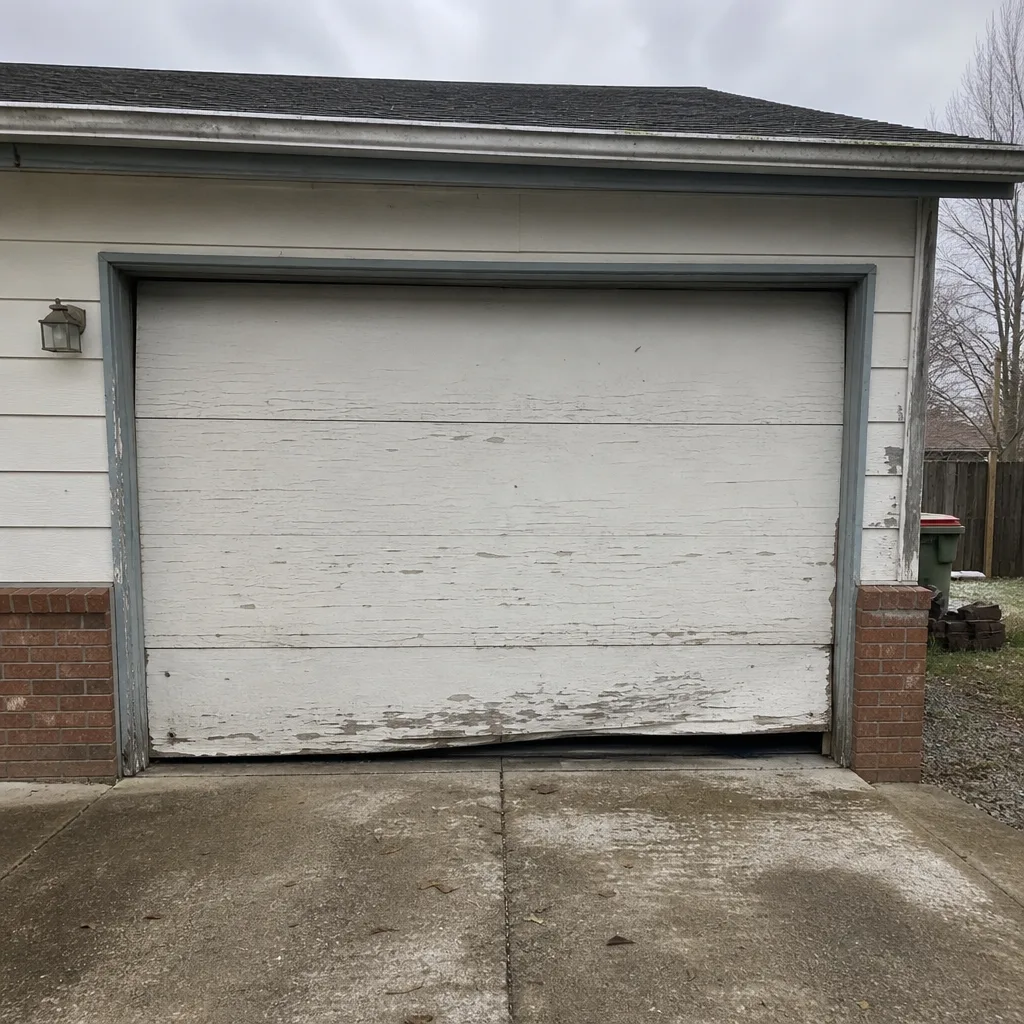 Before
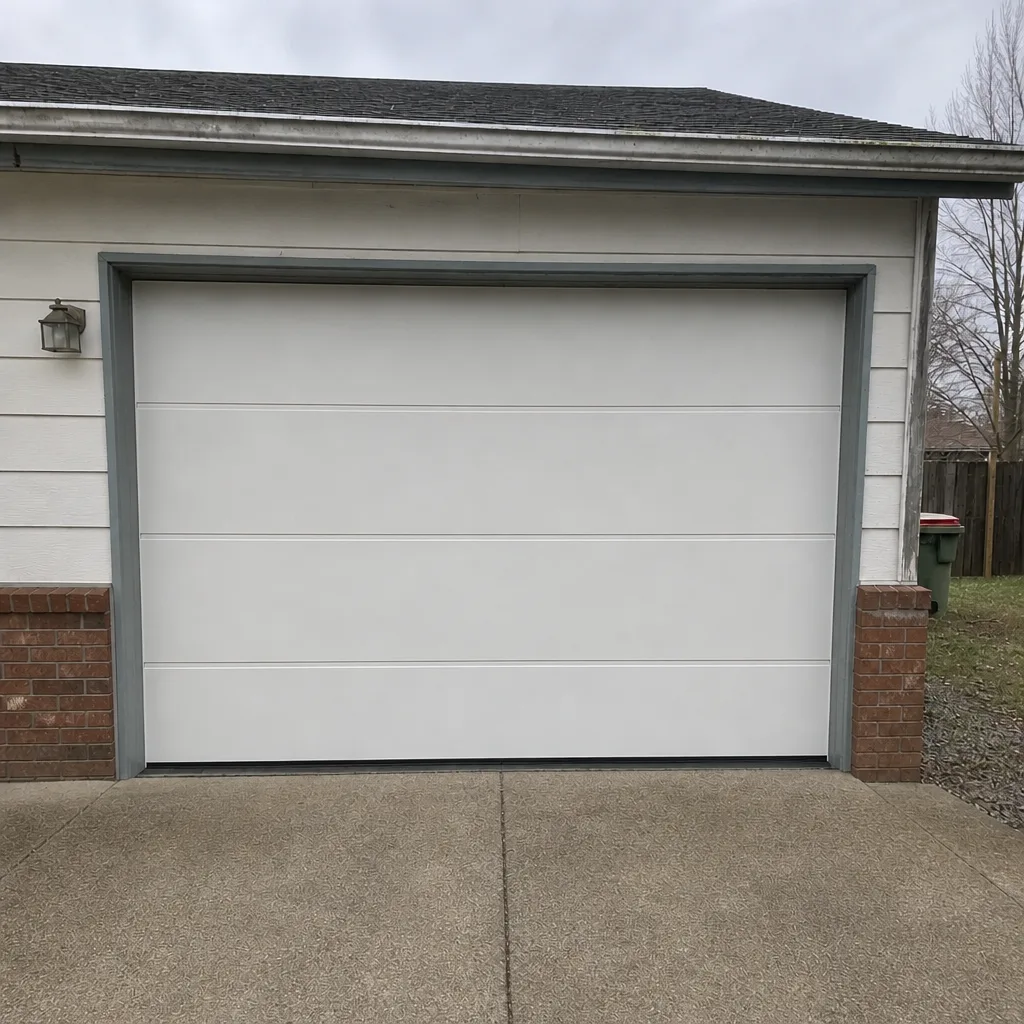 After
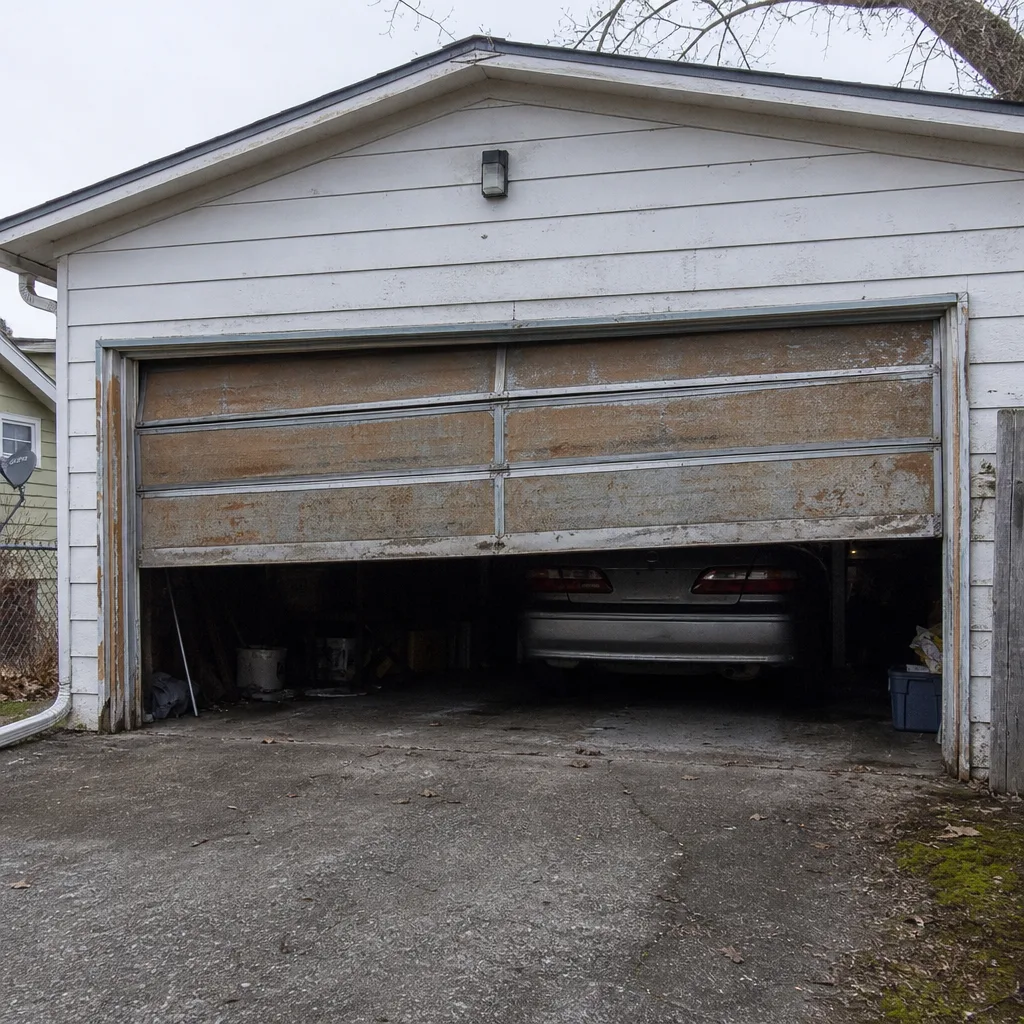 Before
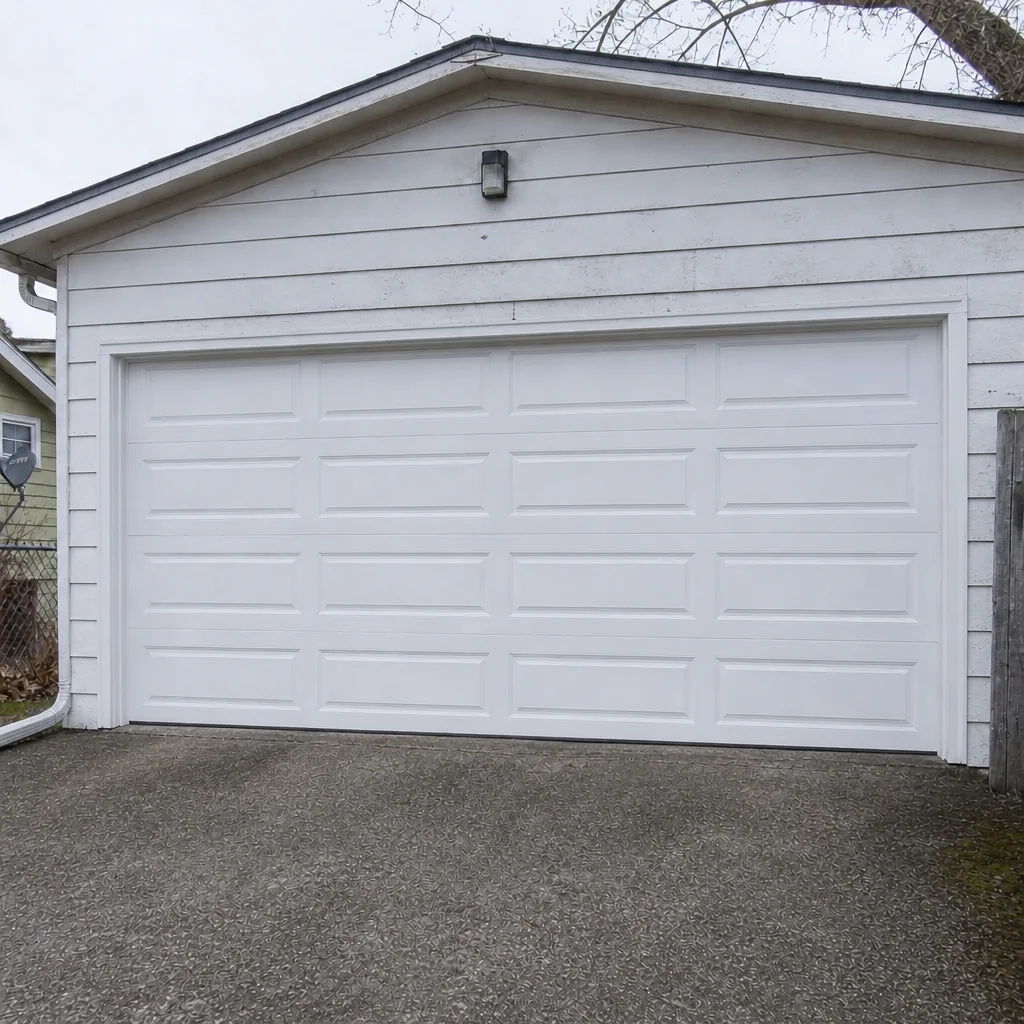 After
When to Call a Professional
Call a professional when the door sticks, the spring snaps, the opener won’t reverse, or the door comes off its track. Those are garage door opener repair and hardware jobs that don’t need a permit and do need the right tools and training. Call a professional, too, when you’re weighing a repair against a replacement and you’re not sure which side of the permit line the job falls on – that’s a driveway conversation, not a phone call to the county. And call us if the door is stuck right now and you have no way in or out; emergency service is a core offering, not an upsell.
South Hill Garage Door Repair offers free estimates in South Hill – call (866) 937-7471. Our technicians have up to 8 years of experience, and we’ve handled the full range of jobs this guide covers, from a simple spring repair to a permit-bound structural replacement.
Frequently Asked Questions
In most cases, no. A like-for-like replacement – same size door in the same opening, on the existing tracks and springs – is a product replacement, not construction, and typically doesn’t require a permit in South Hill. A permit becomes necessary when the job changes the opening size, alters structural framing, repairs a header, or converts the garage to living space. If you’re not sure which side of the line your job is on, call the jurisdiction that owns the parcel and describe the job in plain terms. For a fast read on what the job actually involves, call us at (866) 937-7471 – estimates are free.
It depends on the parcel, not the mailing address. South Hill is in unincorporated Pierce County, so many properties fall under Pierce County’s building department – but properties near an incorporated city boundary may fall under that city’s code office instead. Look up the parcel number in Pierce County’s online property records to see whether it’s in unincorporated county area or inside a city boundary, then call the correct jurisdiction. Starting with the parcel record is the only reliable way to know. If you’re unsure and want a contractor’s read on the job, call (866) 937-7471.
A short scheduled visit – usually 15 to 30 minutes – where the inspector confirms the work matches the permit. For a structural job, the sequence is a rough-in inspection while the framing is still open, then a final inspection after the door and trim are installed. The inspector checks framing, door installation, safety devices, and any code-driven product specs. Pierce County typically schedules inspections a few business days out, so plan the installation around the inspection calendar. Call (866) 937-7471 if you want us to walk through what your job will need.
Usually yes, if you live in a master-planned South Hill neighborhood with an active architectural review process. HOA approval is required on top of any municipal permit – the two are separate, and neither substitutes for the other. Most HOAs specify door style, color, and panel configuration, and some review requests only monthly. Read the CC&Rs first, submit the HOA request and any permit application in parallel, and get HOA approval in writing before ordering the door. If you want help picking a door that fits the neighborhood’s look, call (866) 937-7471 – estimates are free.
Yes, in most cases – a same-size replacement in the same opening is a product swap, not construction, so there’s usually no permit required. The risk is when the framing has deteriorated and a repair is needed behind the opening once the door comes off. That repair is structural work and may push the job across the threshold. The other place this comes up is resale: an inspector reviewing permit history will flag any structural work with no permit on record, so if the job touches framing, permit it upfront. Call (866) 937-7471 if you want to talk through a specific job.
Pause the job and confirm whether the repair needs a permit before proceeding. Rot, split framing, or a cracked header behind the opening is structural work, and doing it without a permit is where resale headaches begin. The right step is to describe the damage to the jurisdiction that owns the parcel and follow their guidance: sometimes the repair is small enough to fall under a repair exemption, and sometimes it requires a permit and rough-in inspection before the opening gets closed up. Call (866) 937-7471 and we can look at it with you – estimates are free.
The Bottom Line
Most garage door jobs in South Hill don’t need a permit – a same-size replacement, a spring repair, opener work, track repair. The job that needs one is the job that touches framing or changes the opening, and the threshold isn’t always obvious until the door comes off and the wall behind it is exposed. Which authority reviews it depends on the parcel, so confirm that before you apply. For jobs that cross the line, build the permit and the inspection schedule into the plan from the start, run the HOA architectural review in parallel, and keep the closed permit with your home records. If you’re planning a job in South Hill and want a clear read on what it involves, call (866) 937-7471 for a free estimate.
Contact
South Hill Garage Door Repair services LiftMaster, Chamberlain, Genie, Clopay, Amarr, Wayne Dalton, Craftsman, and Raynor products across repair, opener repair, spring repair, and full installation – one call covers the full spectrum. Emergency service is an established part of what we do, not a limited-hours add-on. Call (866) 937-7471 for a free estimate, upfront pricing, and a written quote agreed before any work starts. Our technicians have up to 8 years of experience, and the local pro handling your job is licensed and insured as the state requires.
Written by the team at South Hill Garage Door Repair.