Last updated November 22, 2026
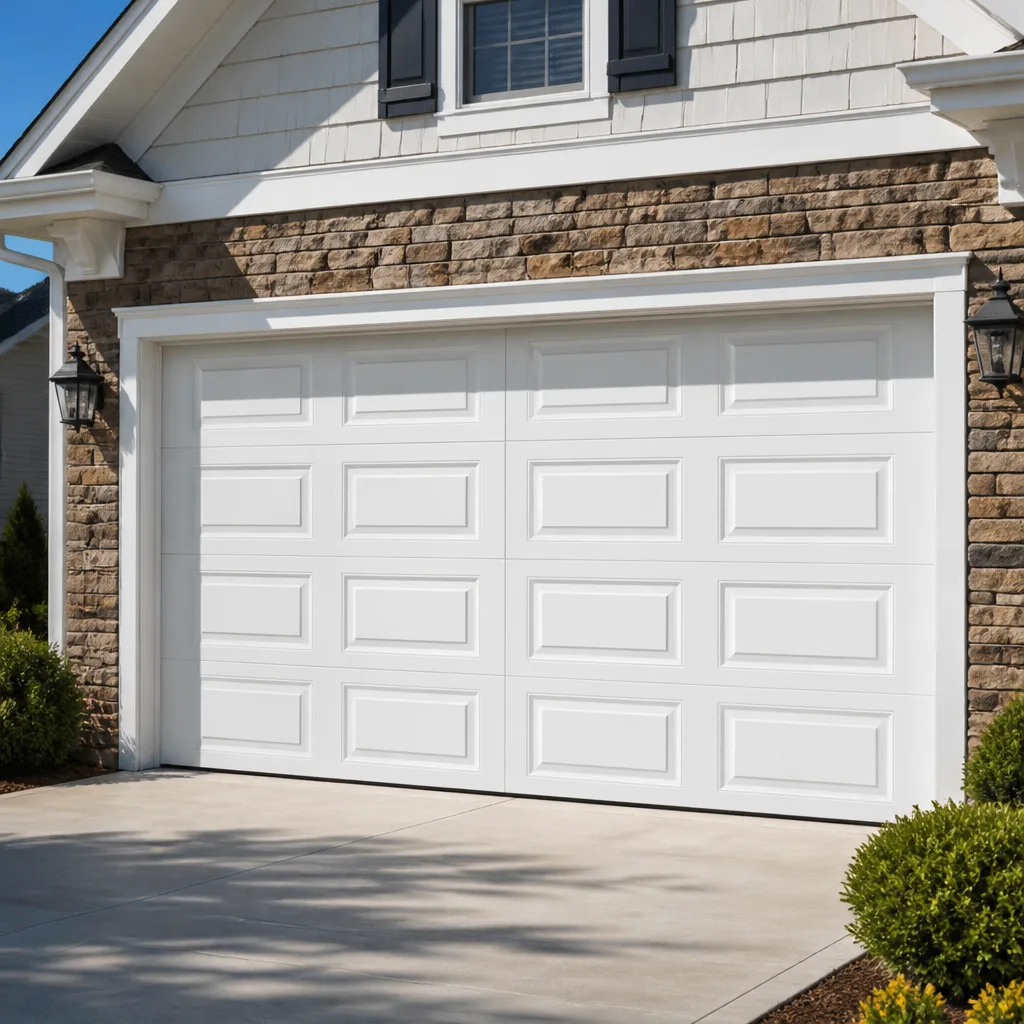 Raised-panel steel
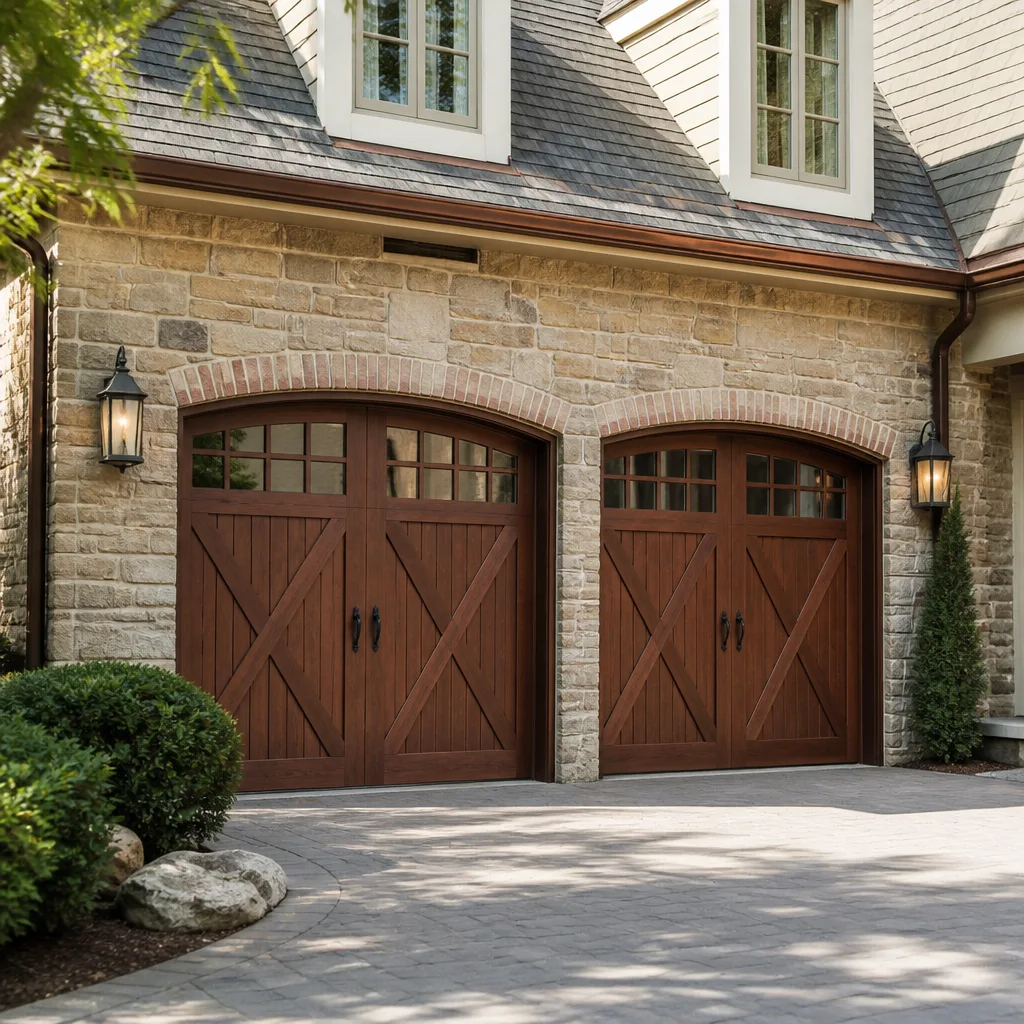 Carriage house
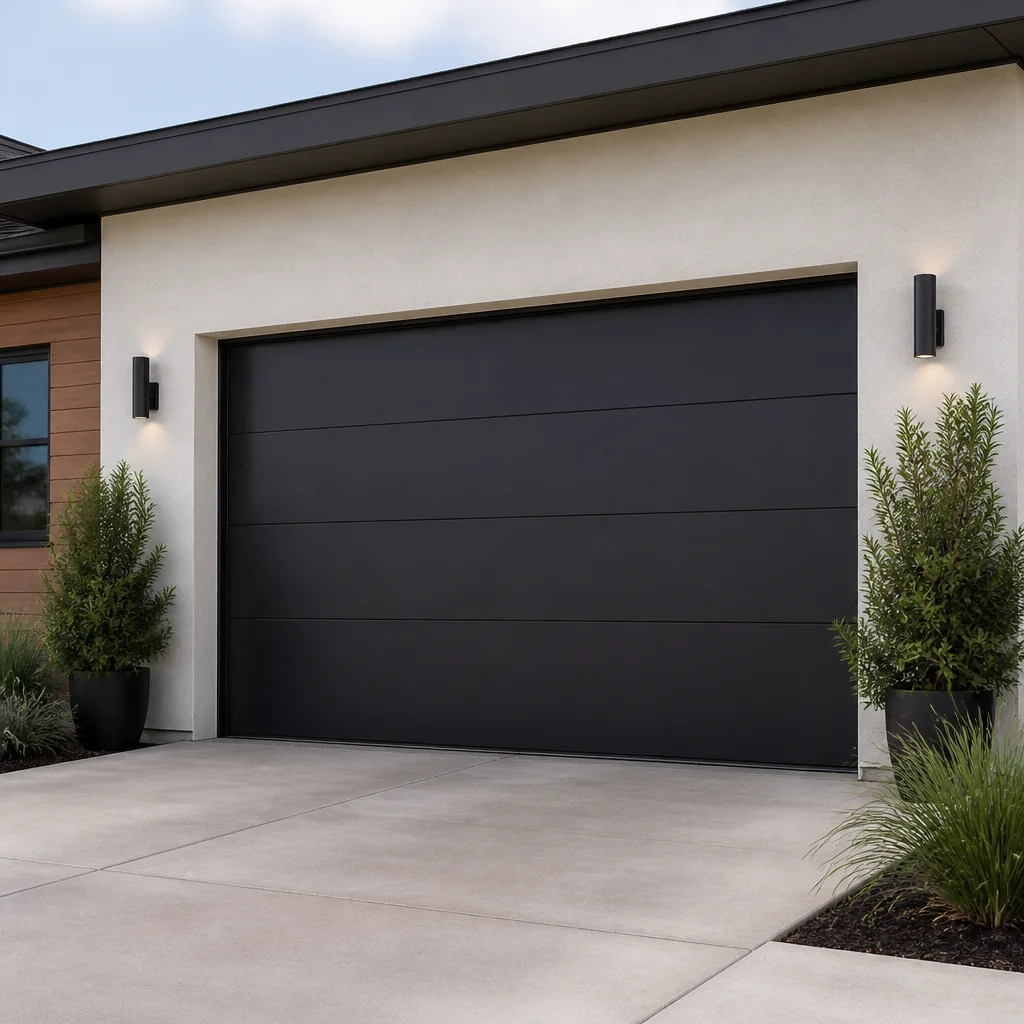 Modern flush
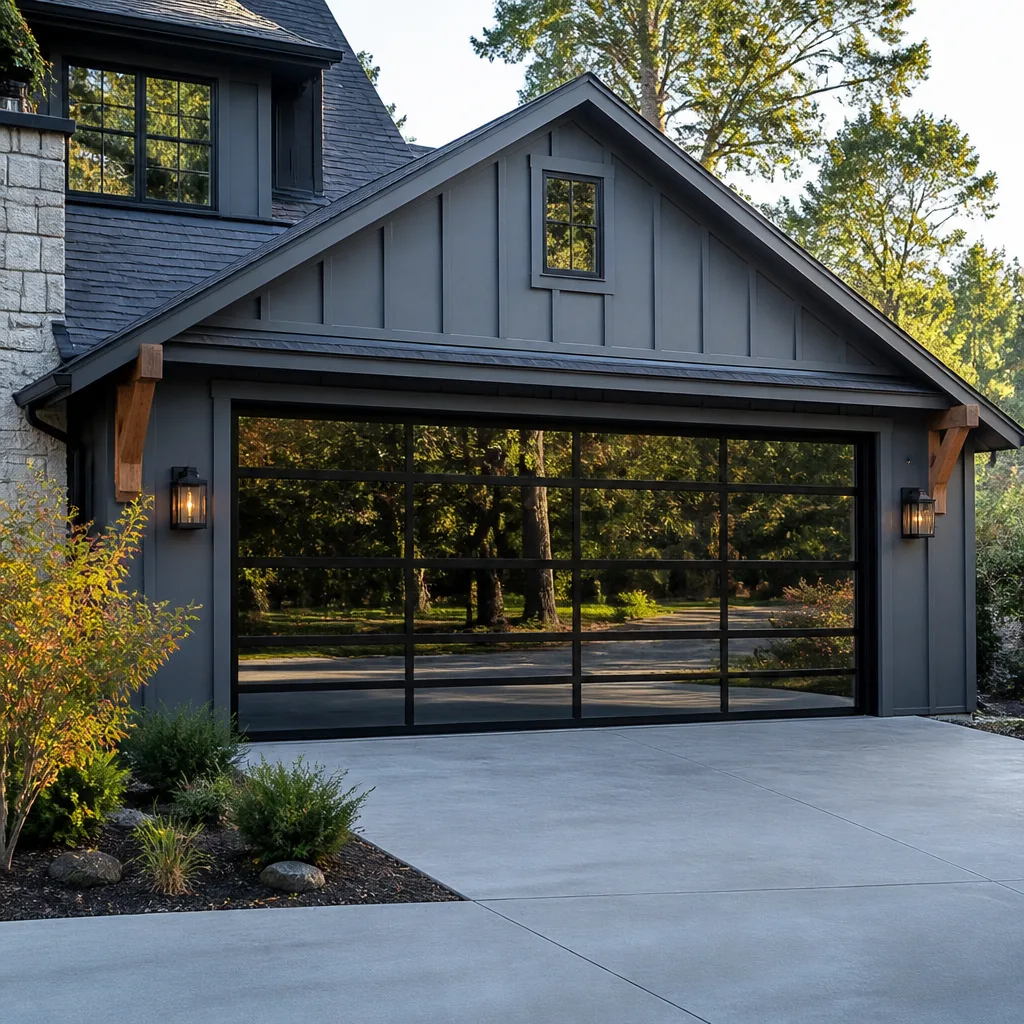 Full-view glass
 LiftMaster openers
 Chamberlain openers
Full 25-point door and opener safety check with every visit - springs, cables, rollers, tracks, and your LiftMaster or Chamberlain opener included
You get a price before we start. It does not change when the pro arrives.
Get your free estimateGarage Door Warning Signs: A South Hill Homeowner’s Reference Guide
A garage door doesn’t snap a spring without warning. It gives you at least three signals first, and most homeowners dismiss all three as “just how the door sounds now.” That slow drift from normal noise to dangerous noise is the gap this guide is built to close. We spend our days reading doors in South Hill, and we can tell you the difference between a door that needs a tune-up and a door that needs to stop moving today is almost always visible, audible, and predictable. You won’t learn to fix it yourself here. You’ll learn to read it, so you call at the right moment instead of the expensive one.
Quick Answer
The most reliable garage door warning signs are a changed sound (grinding, squealing, popping, or heavy clunking), a door that opens unevenly or jerks, a gap where the door meets the floor, and an opener that strains or reverses for no clear reason. Any single one of these means the door needs eyes on it; two or more together means stop using it until a technician looks. Catching these early in South Hill usually means a routine repair instead of a full system replacement.
Styles & brands we work with
- Raised-panel steel
- Carriage house
- Modern flush
- Full-view glass
- LiftMaster openers
- Chamberlain openers
Table of Contents
- What Each Sound Is Telling You: A Mechanic’s Ear
- Visual Warning Signs, Sorted by Urgency
- Why a “Slow Opener” Is Almost Never the Opener
- Warning Signs Specific to South Hill Home Layouts
- The 30-Second Weekly Check
- How South Hill Weather Shapes Wear
- When a Warning Sign Becomes an Emergency
What Each Sound Is Telling You: A Mechanic’s Ear
Sound is the fastest diagnostic tool in this trade. A door that has changed its voice is telling you which part is under stress, and each tone points somewhere different. Here’s how we translate the four sounds we hear most on South Hill doors.
Grinding
Grinding is metal-on-metal contact, and in a garage door it usually means the rollers are seizing in their tracks or the torsion hardware is dry and beginning to wear into itself. Left alone, a seizing roller scores the inside of the track and starts a chain of misalignment. If you hear a rolling grind that rises and falls as the door travels, that’s the rollers. A steady grind while the door sits still points toward the spring assembly or the bearing plates.
Squealing
A high squeal is friction, and it’s the least urgent of the four sounds in most cases. Rollers, hinges, and the torsion tube are the usual sources. Squealing doesn’t mean the door is failing yet, but it means a part is running dry, and dry parts wear faster. It’s a signal to schedule service, not a signal to panic.
Popping
A single loud pop, especially when the door first starts moving, is the sound we take most seriously. In our experience it usually means a torsion spring is losing tension or a cable has jumped. A popping door can look completely normal and still be one cycle away from a serious failure. This is a “stop and call” sound, not a “wait and see” sound.
Clunking
A heavy clunk at the end of travel, when the door hits the floor or the top limit, is a sign of an opener that’s overdriving or a door that’s out of balance. It’s also common when the torsion hardware has loosened and lets the door slam the last few inches. Clunking wears on every joint in the system, including the opener’s gears and the door panels themselves.
If you can name which of these four sounds matches your door, you already know more than most homeowners do. If your door is popping or clunking hard, it’s time for garage door spring repair to be assessed before the door cycles again.
Visual Warning Signs, Sorted by Urgency
We sort what we see into three tiers, and it’s the most useful sorting system we can pass on. Look at your door with fresh eyes once a month and place what you find into one of these buckets.
Tier 1 – Watch It This Month
- Rollers that look glossy or flattened instead of round and slightly worn
- Hinges that show light rust or flecks of metal dust underneath
- A squeak that started in the last few weeks
- Weatherstripping that’s cracking or pulling away at the bottom corners
- Minor paint or finish wear on the bottom panel
Tier 2 – Schedule Service This Week
- The door opens at a slight angle and settles level by the time it’s up
- Visible gaps between door sections
- A torsion spring that looks stretched, crooked, or has a visible gap in the coil
- Rollers pulling out of the track or the track itself looking bent
- An opener that reverses once or twice before the door travels fully
Tier 3 – Stop Using the Door Now
- Any part of a torsion spring that looks broken, sagging, or uneven
- A cable that hangs loose or has visible fraying
- A door stuck off its track or resting crooked in the opening
- A door that has come down hard on its own or dropped a few inches unexpectedly
The Tier 3 list is where our safety caveat lives: torsion springs and cables store tremendous energy, and they can release violently if handled wrong. Never try to adjust, unwind, or remove a spring or cable yourself. Trained professionals do this work, and even we treat it as the most careful part of the job. If you see any Tier 3 sign in South Hill, treat the door as locked until a technician looks at it.
Why a “Slow Opener” Is Almost Never the Opener
A slow or straining door is the most common misdiagnosis in garage door repair. Homeowners feel the drag and assume the motor is tired, so they replace the opener. Then the door is still slow, because the opener was never the problem. Nine times out of ten the drag lives in the mechanical door itself.
Think about how the system works. The opener’s job is to lift a door that should be nearly weightless when balanced. A properly balanced door weighs a few pounds at the handle. If the door is out of balance, the opener has to lift the whole weight, and it strains, slows, and eventually overheats. The most common causes:
- Springs that have lost tension – the door feels heavy at the halfway mark
- Rollers that bind in the track – friction takes the place of smooth travel
- A track that’s out of alignment – usually from an impact or settling
- Hinges that are dry or bent – a small drag that compounds across eight or ten hinges
A door that reverses for no reason or stops halfway has the same story: the safety system is sensing more force than expected and stops the travel. That’s the door telling you it’s dragging. Replacing the opener first is the expensive way to learn this. If you suspect the opener itself in South Hill, have the door checked at the same time. Sometimes the honest answer is garage door opener repair, but only after we’ve ruled out the mechanical drag underneath it.
Warning Signs Specific to South Hill Home Layouts
The doors we see in South Hill fall into a few configurations, and each has its own pattern of wear and its own early warnings.
Attached Garages with Shared Walls
Most South Hill homes have the garage attached to the house, which means a shared wall between the garage and the living space. When a door is out of balance or a hinge is dragging, the vibration travels into that wall and shows up as a rattle inside the house, or a buzz in a bedroom that sits above the garage. That interior sound is one of the earliest warning signs we see, and it’s routinely ignored because the door itself looks fine from the driveway. If your house sounds different when the door runs, the door is the place to look.
Two-Car Doors on Slightly Uneven Slabs
A wide two-car door on a slab that isn’t perfectly level will wear on one side more than the other. The tell is the bottom seal: lift the door a few inches and look at the gap between the rubber and the floor. If the gap on one side is noticeably tighter than the other, the door is riding unevenly, and the rollers on the low side are working harder every cycle. Over time that side wears out first, which is why one track on a two-car door often looks worse than the other. A slight slope in the slab isn’t a construction defect, but it is a wear pattern, and it’s worth watching.
Doors That Face the Weather
South Hill doors that face a wind-driven side of the house take more abuse on the bottom seal and the bottom panel than the rest of the door. Water that sits on the bottom panel edge finds its way into the seal and the panel seams, and that’s where the first rust and swelling shows up. Check that lower corner every month during the wetter parts of the year.
The 30-Second Weekly Check
This is the habit that catches nearly everything in this guide while it’s still a small repair. No tools, no ladder, no technical skill. Stand in the driveway once a week and run this sequence.
- Listen first. Open the door the whole way and name the sound. Is it smooth? Does anything grind, squeal, pop, or clunk? If the sound has changed since last week, that’s your flag.
- Watch the travel. Does the door rise in a straight, even line, or does one side lag? Does it jerk at the start or slam at the end?
- Look at the floor gap. With the door down, look across the bottom seal. Is the gap even from corner to corner, or is it tight on one side and open on the other?
- Look up at the springs. From the floor, glance at the torsion spring above the door. Straight coil? Any visible gap or stretched section? Don’t touch it. Just look.
- Run the safety reverse. With the door on its way down, pass a hand or a piece of wood through the beam at the floor. The door should reverse. If it doesn’t, stop using the door and call.
That’s it. Thirty seconds, once a week, and you’ll know more about your door’s health than most people ever learn. If anything on this list changed, the next step is a trained pair of eyes, not a toolbox.
How South Hill Weather Shapes Wear
Garage doors age slower or faster depending on what the air and the ground throw at them. In South Hill, the biggest pattern we see is moisture-driven wear at the bottom of the door. Snow melt, rain, and pooled water at the apron soak the bottom seal and the bottom panel, which is why the bottom of the door usually shows wear first. That’s also why the floor gap is worth checking as carefully as the spring.
The other pattern is seasonal temperature swing. Metal expands and contracts with the seasons, and a door that’s perfectly adjusted in the summer can sit slightly tight in the winter. That’s normal. What isn’t normal is a door that suddenly needs a shove in the cold or that opens at an angle only in certain months. A door that changes its behavior with the weather is telling you the hardware is at its limit and needs adjustment before the change becomes permanent.
Paint and finish on a South Hill door also wear on the sunny side. Peeling at the bottom edge, chalky finish, and hairline cracks in the finish aren’t safety problems, but they let moisture into the panel and shorten the door’s life. Check the sunny side of your door once a season.
When a Warning Sign Becomes an Emergency
Some warning signs wait for an appointment. Others don’t. The threshold between the two is simple: if the door can’t be opened or closed safely, or if it’s the only thing standing between your car and the street, it’s urgent.
Those situations include a spring with a visible break, a door off its track, a door that won’t close completely and leaves a gap a person could use, and an opener that’s stopped responding while the door is stuck halfway. A cracked panel can usually wait. A door with a broken spring, a loose cable, or a section that’s jammed in the track can’t be forced, because the next cycle is where real damage or injury happens. Our South Hill Garage Door Repair team handles emergency service as part of the normal week, not as a special arrangement, so a stuck door this evening is a call tonight, not a wait until morning. The trick is to call us before you try to force the door up by hand. That’s when small problems become big ones.
Common Mistakes to Avoid
- Assuming the opener is the problem. A slow door is usually a mechanical drag issue, and a new opener rarely fixes it. Check the door balance first.
- Ignoring a changed sound. “That’s just how it sounds now” is the sentence we hear right before a spring breaks. Sound changes are the earliest signal you’ll get.
- Forcing a door with a broken spring. Springs and cables store energy, and forcing a door with a broken one can release it or bend the door. Stop using the door and call.
- Greasing or adjusting the springs yourself. This is the one part of the system homeowners should never touch. The springs and cables are the most dangerous components on the door.
- Painting over or ignoring bottom-panel wear. In South Hill, the wet bottom edge is where doors fail first. Sand, seal, and repaint before moisture gets into the panel seams.
- Replacing a door that only needs a repair. A brand-agnostic technician should always tell you whether your existing door can be fixed. Replacement is a last resort, not a first sale.
- Waiting for the “convenient time.” A door that’s been clunking for months has usually spread the wear into the tracks and the opener. Early repair is cheaper than the chain reaction.
See the difference
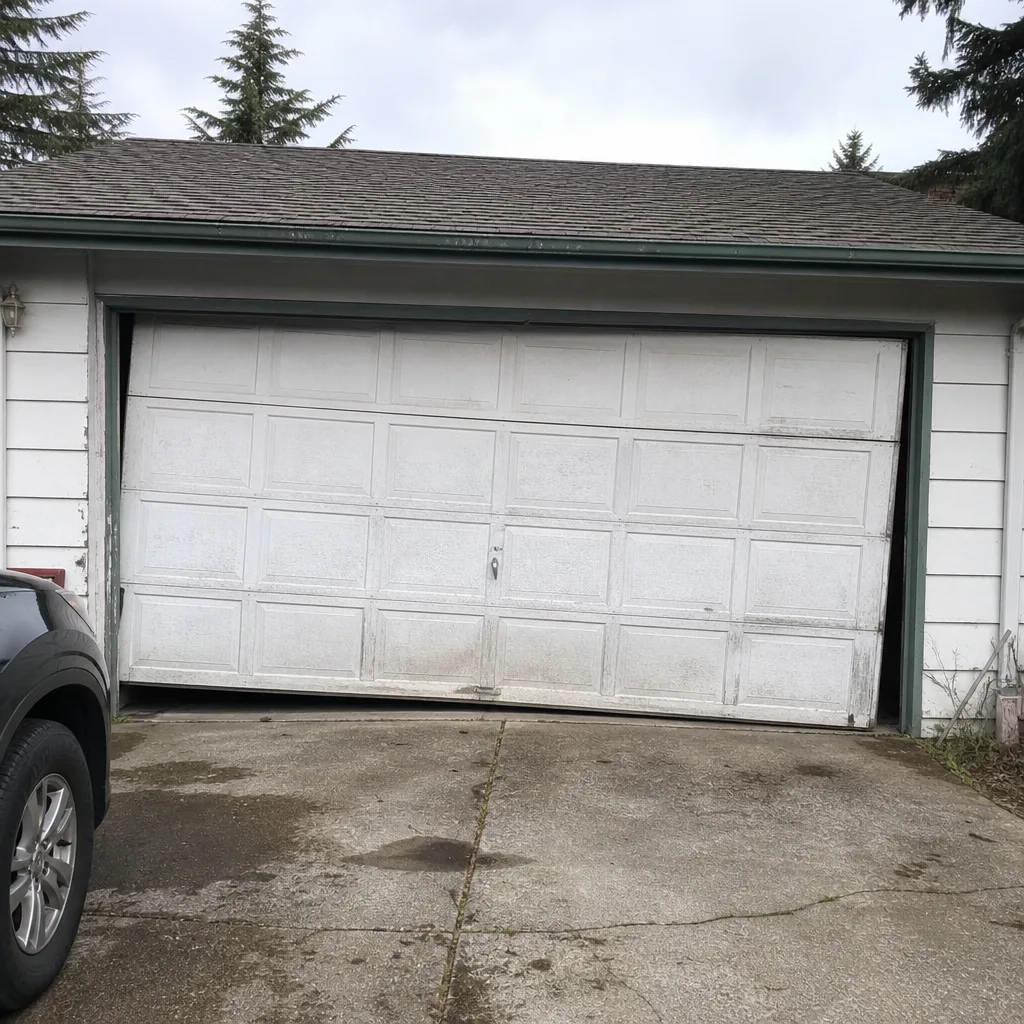 Before
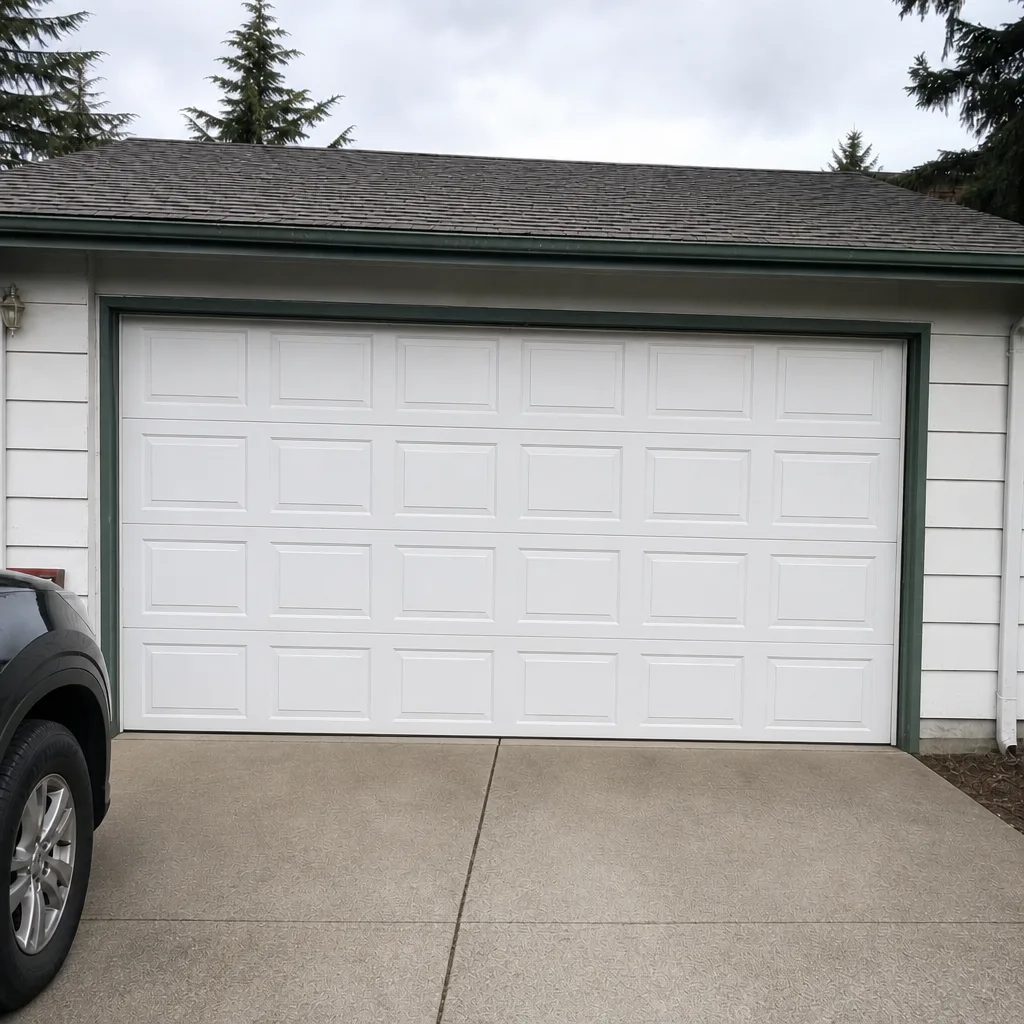 After
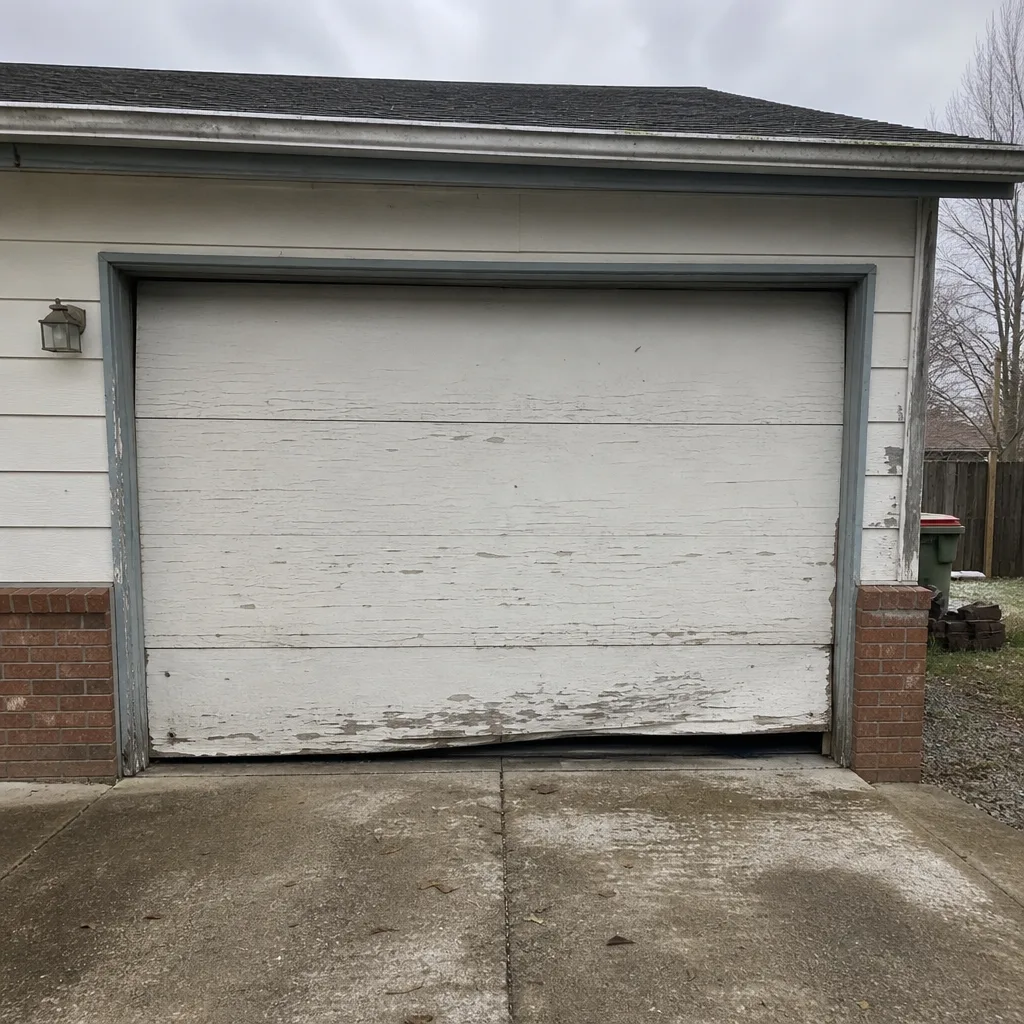 Before
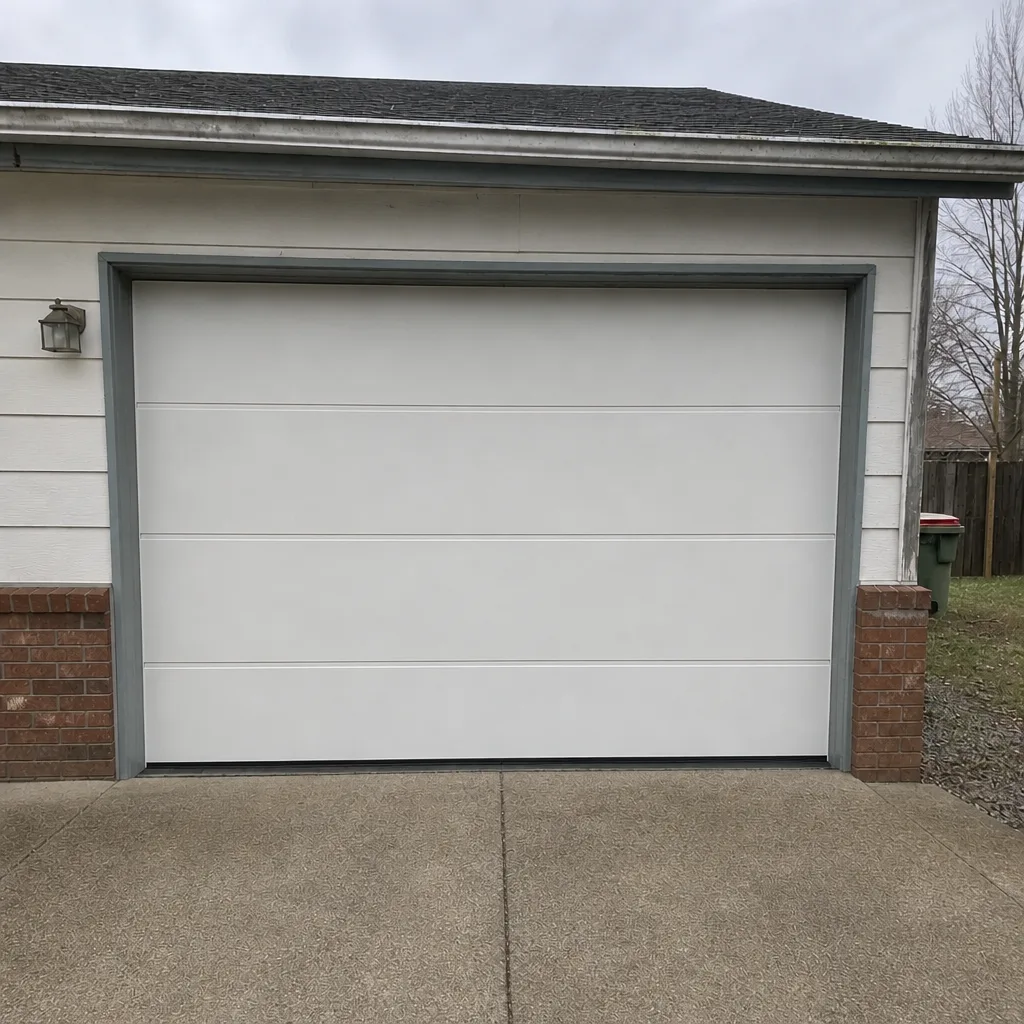 After
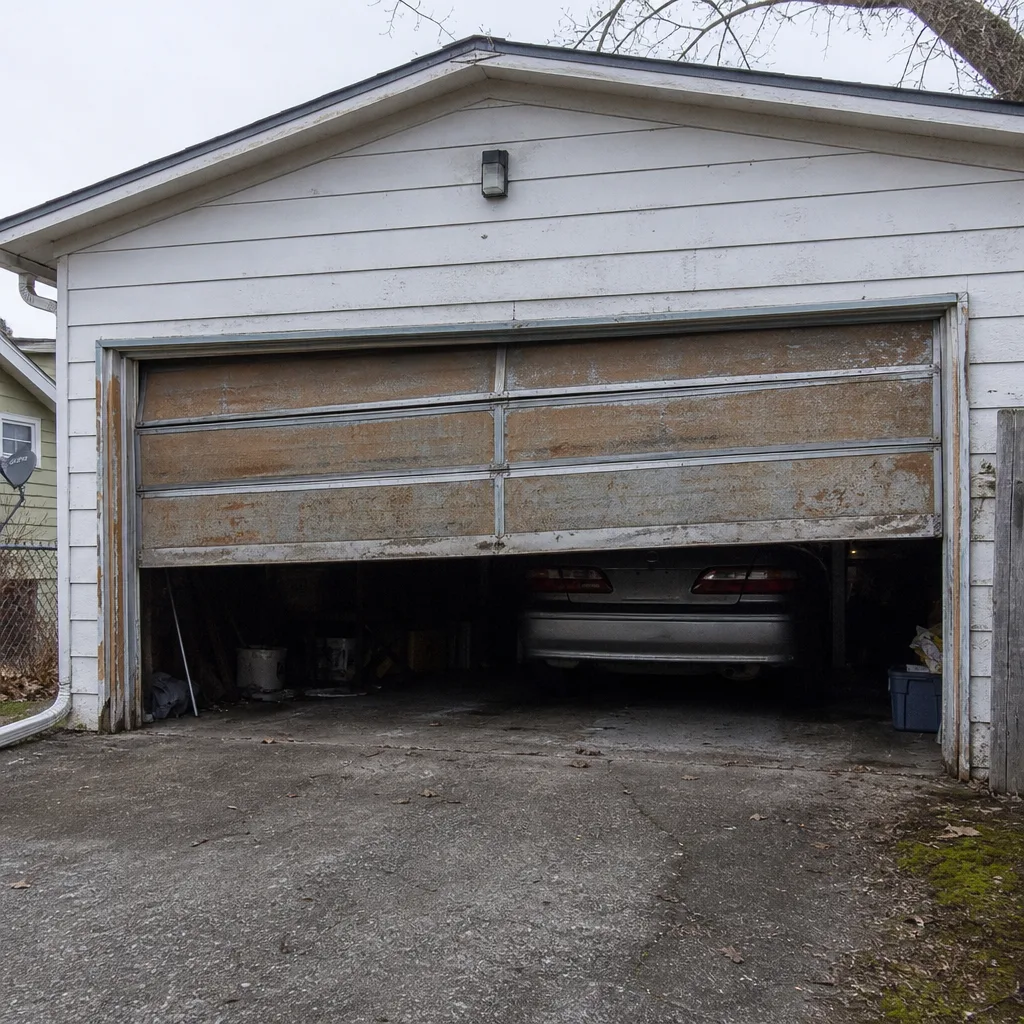 Before
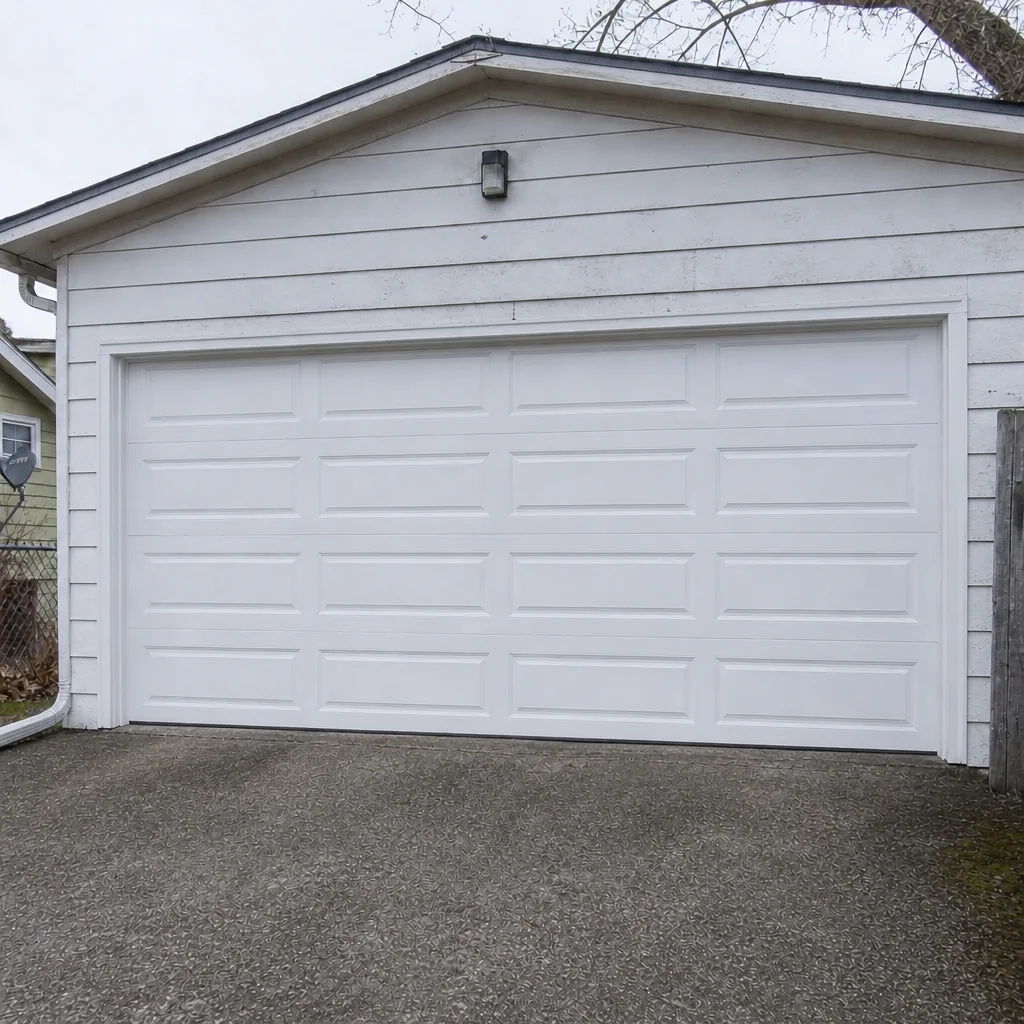 After
When to Call a Professional
Call a professional the moment you see anything on the Tier 3 list, or two or more items from Tier 2. Call sooner if the door is the only way in or out of the house, if the door is off its track, or if the opener is running and the door isn’t moving. Those are not DIY situations, and the wrong adjustment can make a dangerous spring worse. If the door is simply getting noisier, opening at a slight angle, or showing wear at the bottom seal, schedule a service visit and fix it while it’s small. Reading the signs early and acting on them is the difference between a tune-up and an emergency. Our technicians have up to 8 years of experience and work on LiftMaster, Chamberlain, and Genie openers as well as the major door brands. We offer free estimates in South Hill, so call (866) 937-7471 and we’ll take a look.
Frequently Asked Questions
A broken or sagging torsion spring, a loose or frayed cable, a door off its track, and a door that drops on its own are the serious ones. Stop using the door and call a technician for any of these. The rest of the warning signs in this guide can usually wait for a scheduled visit.
Often, yes. A spring that’s losing tension usually stretches, looks crooked, or develops a visible gap in the coil before it fails. You’ll also notice the door getting heavy at the halfway point. Don’t touch the spring yourself; have it inspected. If you’re seeing those signs in South Hill, call (866) 937-7471 for a free estimate on spring repair.
A changed sound means a part has changed its condition, usually rollers, hinges, or torsion hardware. Grinding means metal contact, popping means spring or cable trouble, and squealing means friction. Treat a new sound as your earliest warning, not background noise.
Usually not. A slow opener is normally a symptom of a door that’s out of balance or dragging on worn rollers and hinges. Have the door checked before you spend money on an opener you may not need.
Once a year is a good baseline for a door that gets used every day, plus the 30-second weekly check on your own. Doors that face wind-driven weather or sit on a slab with a slight slope may benefit from closer attention. If anything in the weekly check changes, don’t wait for the annual visit.
Often, yes. A stuck door is an urgent problem, and our emergency service is part of the normal offering. Call (866) 937-7471 and we’ll get you scheduled. Spring repairs and mechanical issues are the most common same-day calls we handle.
No. We quote the price and agree it with you before any work starts, and the written estimate sets the final price. If we find additional problems while working, we stop and explain them before doing anything further. Free estimates are available on every job.
We work on all major garage door and opener brands, including Clopay doors and LiftMaster openers. We also handle Amarr, Wayne Dalton, Chamberlain, Genie, Craftsman, and Raynor, so you don’t need to find a specialist for your specific model.
The Bottom Line
Your door talks to you every day, and the language is simple: sound, motion, and the gap at the floor. A grinding door is telling you about rollers, a popping door is telling you about springs, and a slow door is almost always telling you about balance, not the opener. Learn the tiers, run the 30-second weekly check, and act on Tier 2 before it becomes Tier 3. That habit is the difference between a routine repair and a dangerous failure, and it’s the single best thing a South Hill homeowner can do for a garage door’s longevity. If anything on your door has changed, garage door repair is the next step, and we’re a call away.
Ready to get your door looked at before a small warning becomes a big repair? Call South Hill Garage Door Repair at (866) 937-7471 for a free estimate. We’ll tell you honestly whether your door needs a tune-up, a repair, or a new system, and we’ll quote the price before any work begins.
Written by the team at South Hill Garage Door Repair.