Last updated November 22, 2026
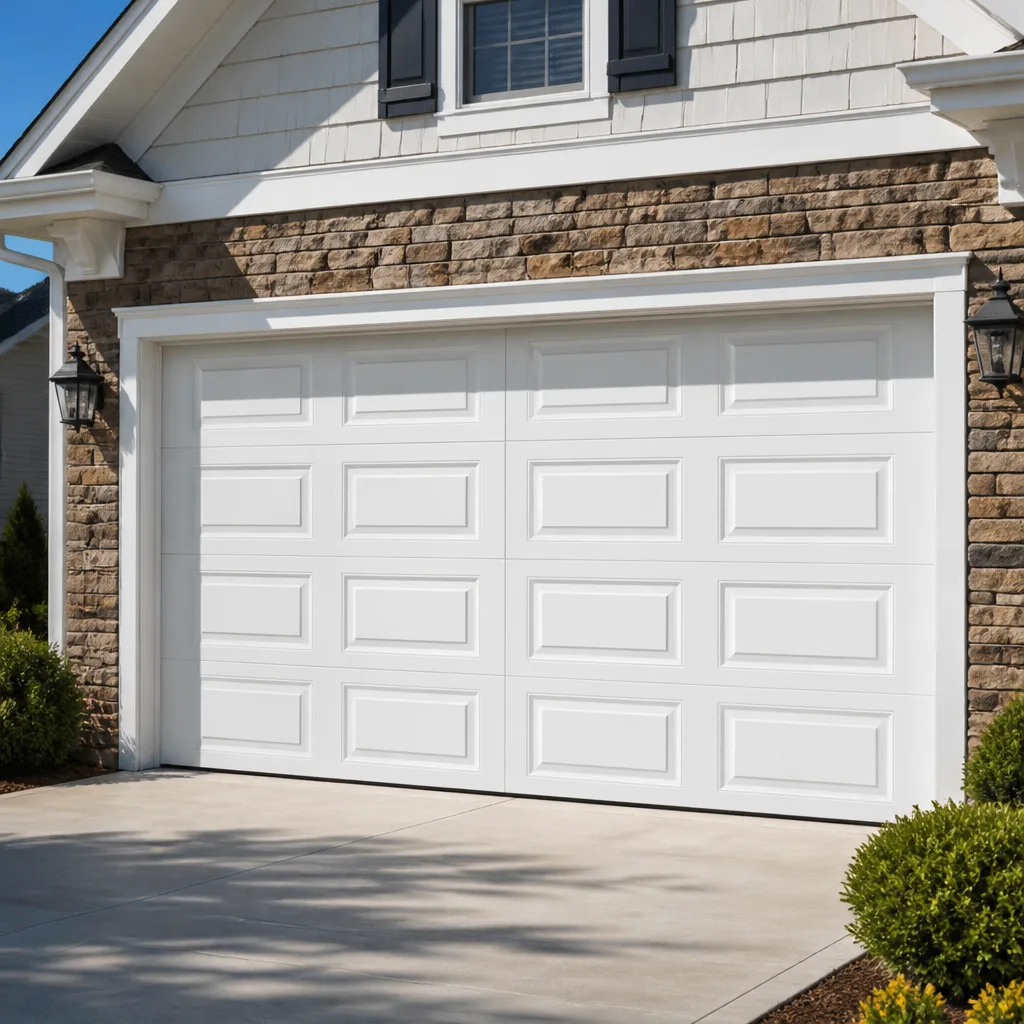 Raised-panel steel
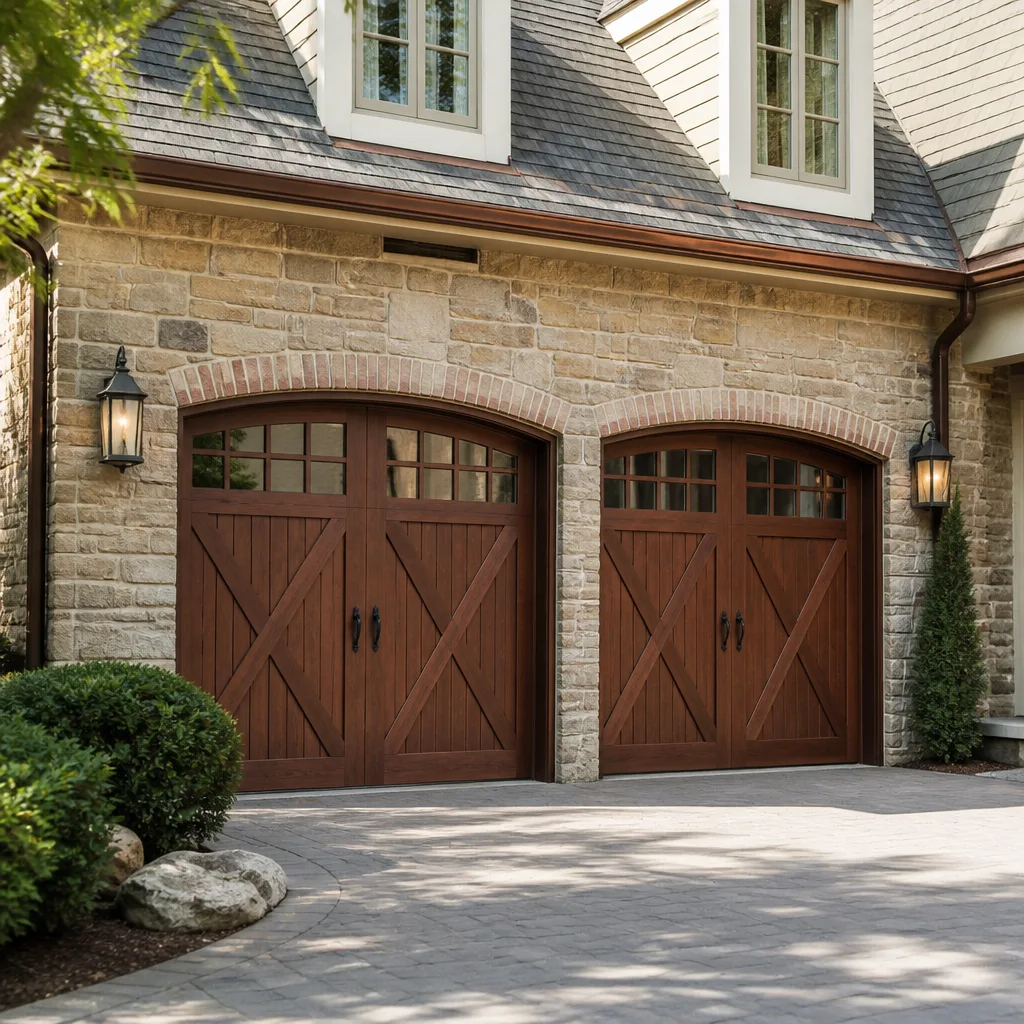 Carriage house
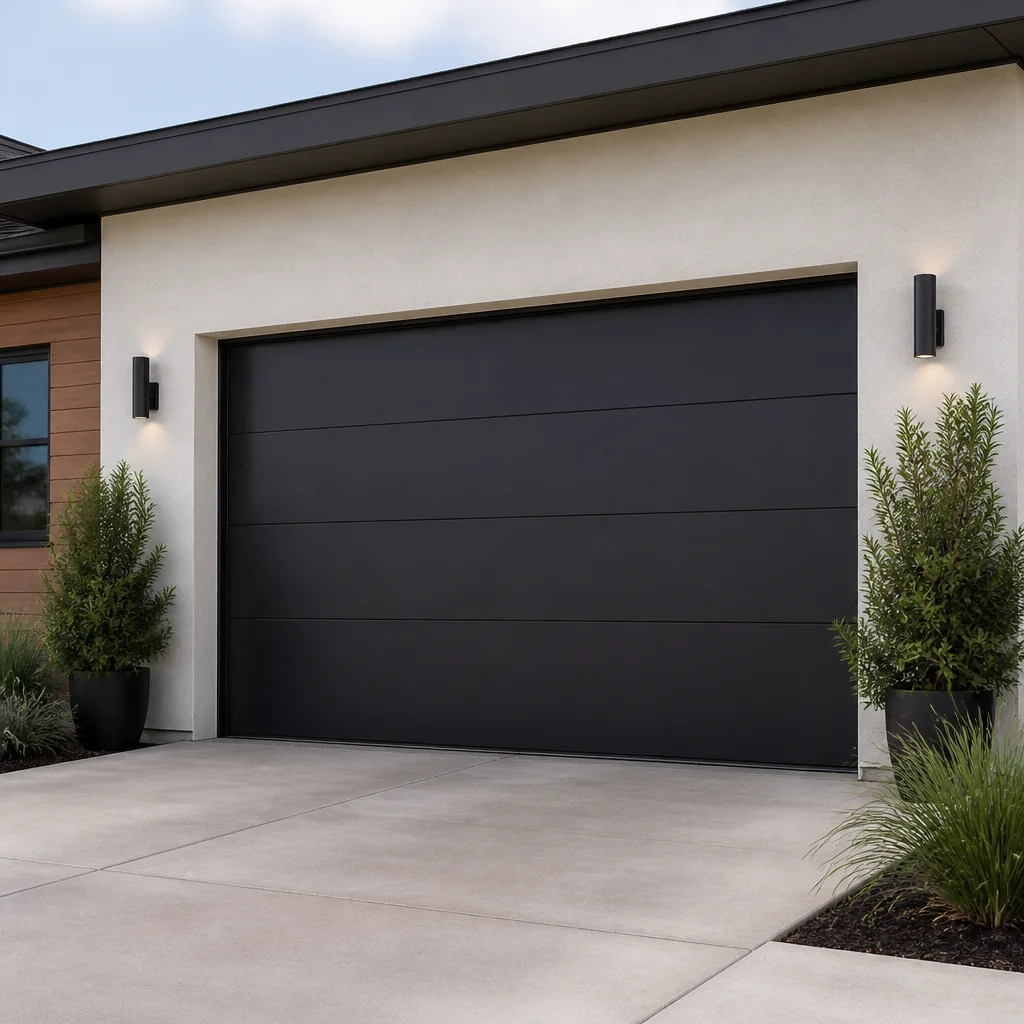 Modern flush
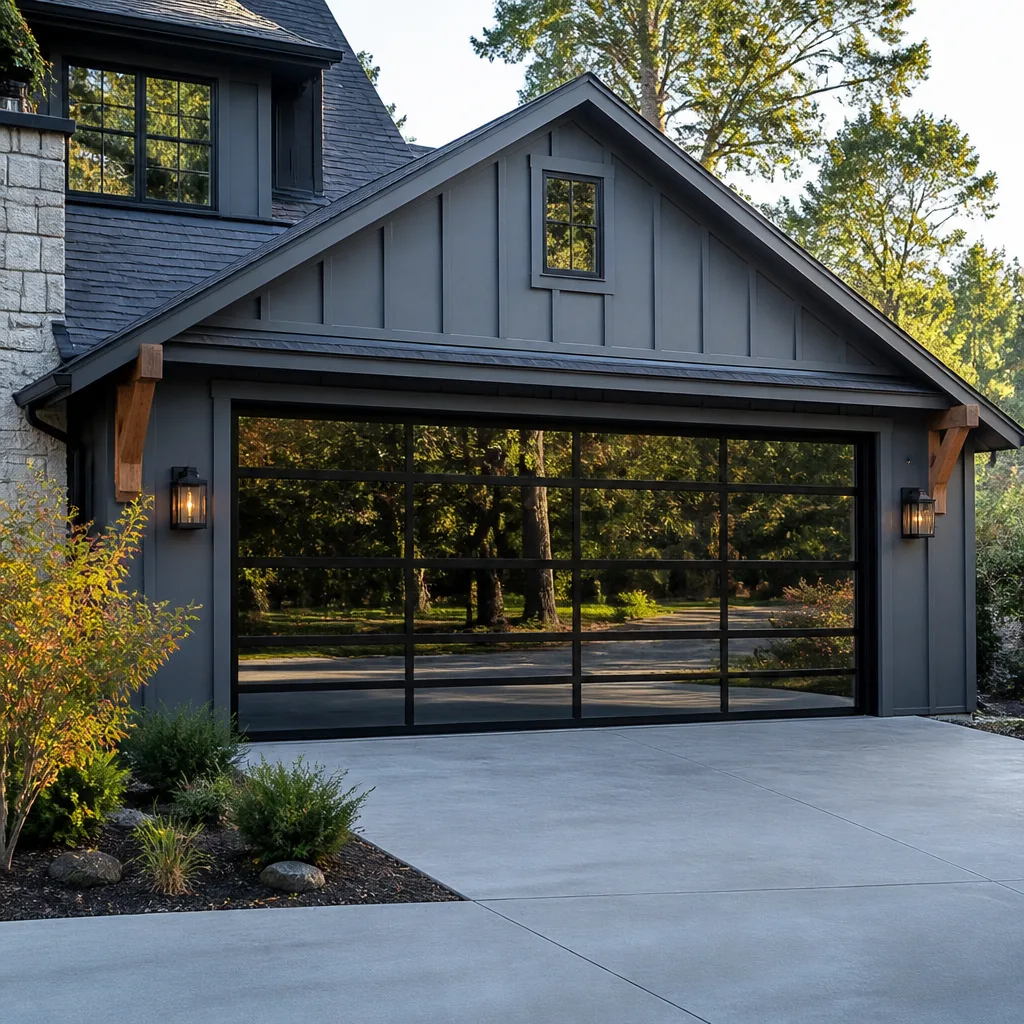 Full-view glass
 LiftMaster openers
 Chamberlain openers
Full 25-point door and opener safety check with every visit - springs, cables, rollers, tracks, and your LiftMaster or Chamberlain opener included
You get a price before we start. It does not change when the pro arrives.
Get your free estimateSeasonal Garage Door Care for South Hill: Year-Round Homeowner’s Guide
Most seasonal garage door advice is written for a climate that South Hill doesn’t actually have. You’ll read about salting the driveway in February, or about coastal rust eating your hardware. Neither tells you what happens here, where nearly 43 inches of rain falls mostly between October and March, and where a wet fall is the real test. The doors that fail in South Hill don’t usually fail from a hard freeze. They fail from water working into unsealed gaps, from a lubricant that got thick in January and never got swapped out, and from summer sun that warps a steel panel just enough to throw a track out of line. What follows is the four-season rhythm we actually work to here, with a month-by-month calendar you can keep on the fridge.
Quick Answer
South Hill garage doors need the most attention in October, when the dry summer gives way to steady rain and the bottom seal is your first line of defense, and again in late winter, when repeated mild freezes have had weeks to stress springs and cables. Check the bottom seal, tracks, and hinges each fall, swap to a cold-rated lubricant before the first freeze, and have springs and cables inspected each spring. Everything else is smaller: tightening hardware, clearing the photo-eye lenses, and keeping an eye on how a sun-facing door tracks in July. A free estimate with South Hill Garage Door Repair covers anything that looks worn: call (866) 937-7471.
Styles & brands we work with
- Raised-panel steel
- Carriage house
- Modern flush
- Full-view glass
- LiftMaster openers
- Chamberlain openers
Table of Contents
- Why South Hill’s Seasons Wear a Garage Door Differently
- Fall Prep: The October Transition Is Your Highest-Risk Window
- Winter: What the Cold Actually Does to South Hill Openers and Springs
- Spring: Inspecting Cables and Springs After the Freeze
- Summer: UV, Heat Expansion, and Afternoon-Sun Doors
- The 12-Month Maintenance Calendar
- Safe Monthly Checks You Can Do Yourself
- What to Leave to a Trained Technician
Why South Hill’s Seasons Wear a Garage Door Differently
South Hill sits in a climate that’s forgiving in ways Eastern Washington is not and demanding in ways most national guides miss. We don’t get the hard, sustained freezes that crack concrete and split wood in the inland Northwest. We also don’t get the saltwater corrosion that eats hardware in coastal Puget Sound communities. What we do get is 43 inches of rain, most of it concentrated in a six-month stretch, plus a handful of mild freezes each winter and a dry, warm summer with long stretches of direct afternoon sun.
That combination creates a specific wear cycle. Moisture is the dominant force for half the year, and it finds every unsealed gap. Wood panels drink it and swell. Steel hardware it touches rusts along the edges, especially the hinges and the bottom bracket. A bottom seal that’s slightly worn in August becomes a problem in October, because once the rains start, water that used to run off the apron now runs under the door and into the gap between the panels.
Then the pattern flips. From roughly June through September, low humidity and strong sun dry everything out. Paint fades, wood contracts, and steel panels on a door that faces west or southwest absorb heat all afternoon and expand. That expansion is usually small, but it’s cumulative, and it’s why we see doors in the South Hill neighborhoods east of Meridian that track slightly differently in August than they do in February.
The result is that a garage door here lives through two very different kinds of stress each year, and the care that matters most is tied to the transitions between them, not to the middle of either season. Generic quarterly advice misses that entirely. If a door lets you down anyway, garage door repair is never far off.
Fall Prep: The October Transition Is Your Highest-Risk Window
October is the month that matters most in South Hill. The door has spent four months drying out in low humidity, and the first sustained rains arrive around the same time. Every gap that opened up over the summer becomes a path for water. Bottom seals that looked fine in August can be brittle, compressed, or pulled loose at one corner, and that’s the single most common thing we find on a fall inspection.
The bottom seal is worth understanding because it does more work than it looks like it does. It keeps rain and wind-driven moisture out of the gap under the door. It stops leaves, grit, and water from collecting under the panels. And when it’s compromised, the damage spreads upward: moisture sits against the bottom panel, and on wood or composite doors it swells and eventually rots. On steel doors it rusts the bottom edge, which is where most steel door failures begin.
Here’s the sequence we recommend for a South Hill fall prep, in order:
- Look at the bottom seal first. Run your hand along it from one end of the door to the other. It should feel pliable, not hard or cracked. It should touch the floor all the way across with no visible daylight under it.
- Check the door’s balance. Disconnect the opener and lift the door by hand about halfway. It should feel stable in your hand, not heavy and not drifting upward. A door that fights you, or one that feels too light, has a spring problem worth having looked at.
- Clean and clear the tracks. Grit and pine needles collect in the track channels over summer. A dry cloth and a soft brush are all it takes. Don’t use solvents on the tracks.
- Tighten the hardware. Hinges, brackets, and the roller stems all loosen over the year. A hand screwdriver or a socket, snug but not forced, is right. Roller stems should be tight enough to hold but moving freely.
- Check the weatherstripping around the frame. The trim seal on the sides and top of the opening is easy to overlook. If it’s pulling away, rain will get behind the door frame and into the jamb.
- Clear the gutters above the garage. This one isn’t on the door itself, but it’s directly related. Gutters that overflow in a South Hill October soak the ground at the base of the garage, and that moisture finds its way under the sill.
- Test the safety reverse. Put a roll of paper towels under the door and close it. It should reverse on contact. Test the photo-eye sensors by waving something in front of them while the door is closing.
If any part of the bottom seal is cracked or separated, replace it before the rains settle in. It’s a low-cost part and it’s the cheapest insurance your door has.
Winter: What the Cold Actually Does to South Hill Openers and Springs
South Hill winters are mild compared to most of the country. Long stretches hover a few degrees above freezing, with intermittent cold snaps into the 20s. That pattern is subtle but it has a specific effect on a garage door, and one of the most common problems is thicker lubricant inside the opener.
Opener lubricant is spec’d for a range of temperatures, and standard multi-purpose grease starts to firm up as temperatures drop. In a garage that sits at 35 degrees overnight, that doesn’t stop the opener, but it does add drag. The motor works harder, the chain or belt feels tighter, and the door moves a little slower than it did in September. On a door that’s already tight, that drag can be enough to trigger a safety reverse on the way down. If your door started reversing on its own as the weather got cold, this is the first thing to look at.
The fix is a product swap, not a repair. Here’s what we recommend as temperatures drop:
- Swap standard grease for a cold-rated lubricant. A light synthetic grease or a purpose-made cold-weather lubricant keeps its viscosity below freezing. The opener manufacturer’s manual usually names the right spec for your unit.
- Lubricate the hinges and rollers lightly. A small amount on each hinge pivot and roller stem keeps them moving freely without collecting grit. Don’t overdo it; excess grease attracts dust.
- Leave the tracks dry. This is the exception. Tracks don’t need lubrication, and greasing them attracts grit that makes the door work harder.
- Watch the chain or belt tension. Cold can affect tension. A slack chain slaps and a tight one drags. Your owner’s manual has the adjustment spec for your opener model.
Springs are the other cold-weather concern. Steel coils contract in the cold and relax in the warmth, and a spring that’s already near the end of its life will often fail in the middle of a cold snap. That’s because the metal is at its most brittle when it’s cold. The typical symptom is a loud snap and a door that won’t lift, and that’s the point at which you call us rather than trying to fix it yourself. Spring repair is the single most dangerous repair on a garage door. If you live in the Sunrise or Sunrise Village neighborhoods and your door fails on a cold January morning, that call is routine for us.
If your opener is acting up in the cold, remember that garage door opener repair covers everything from a slow motor to a remote that’s suddenly unreliable. We work on LiftMaster, Chamberlain, and Genie units across South Hill, so the diagnosis doesn’t start from scratch.
Spring: Inspecting Cables and Springs After the Freeze
Spring is when the damage from winter becomes visible, and also when damage that isn’t visible yet matters most. A cable that survived a dozen mild freezes can still have a broken strand or two, and that’s a failure waiting to happen. Springs can have fatigue cracks that don’t show as a clean break but will snap under load within a few months.
The problem with spring inspection is that the most important wear indicators aren’t visible from outside. A torsion spring can look intact while a small crack has started along one coil. A cable end can look clean while the strands inside the ferrule are broken. That’s why post-winter inspection is more than a visual pass. It’s a careful examination of the components that fail silently until they fail loudly.
What a spring check should cover:
- Spring condition. Look for gaps between coils on a torsion spring, stretch that has thinned a tension spring, and any visible crack or dark line along a coil. A single crack at the end of a torsion spring is a warning sign that failure is close.
- Cable condition. Check for fraying at the ends where the cable meets the drum and the bottom bracket. Kinks, bird-caging, or any broken strand means it’s time for a replacement.
- Drum and cable wraps. On a torsion setup, look at the cable drum on each side. The cable should wrap cleanly across the drum with no overlaps. If it’s climbing over itself, the door is out of balance and needs adjustment.
- Bottom bracket condition. Rust at the bottom bracket is common in South Hill because that’s the lowest point and the one that sits closest to a wet floor. A rusted bracket can fail under tension, which is why this is a technician’s inspection, not a homeowner’s.
- Panel alignment. Stand back and look at the door from the street. Any visible sag, uneven gap along the top, or panel that doesn’t line up is a sign the door has shifted over the winter.
- Opener travel and force settings. The opener’s travel limits and force settings are set for the door at a specific weight and range. After a cold winter, they may need adjustment.
If any of that looks off, garage door spring repair is where the fix lives. We work on both torsion and extension systems, and we can tell from the wear pattern how close the spring is to failure.
Spring is also the right time to think about the season ahead. A door that passed inspection in April is going to go through summer sun stress in July, and it’s worth tightening hardware and checking panel clearance before the dry heat arrives.
Summer: UV, Heat Expansion, and Afternoon-Sun Doors
Summer is the quiet season for garage doors, but it’s not a season without risk. Most of the South Hill homes we visit in July and August fall into a pattern: the door faces west or southwest, it takes direct afternoon sun from about 2 p.m. until sunset, and it has a slightly harder time tracking than it did in the spring.
The cause is thermal expansion. Steel and aluminum absorb a lot of heat, and the south-facing or west-facing panel expands in the afternoon and contracts again at night. Across a door, that expansion has to go somewhere, and it shows up as panels pressing against each other, hinges loosening over the cycle, and a door that occasionally binds on one side. If a door that worked fine all spring suddenly starts to catch, or if the opener reverses on the way down in the afternoon, thermal movement is a likely culprit.
UV does its own work. Rubber seals on the sides and top dry out and crack. A vinyl bottom seal that was fine in April starts to harden by July. Paint fades on the south face. If you have a door with a lamination or an overlay, watch the edges where the layers meet, because UV exposure at an edge is where delamination starts.
What we recommend in summer:
- Check the bottom and side seals monthly. Run a hand along them. Pliable is good; stiff or cracked means it’s time for a replacement. Summer is the right time to catch it, before the October rains arrive.
- Watch the door’s tracking on hot afternoons. A door that closes smoothly in the morning but binds at 4 p.m. is telling you something about expansion. The fix is usually a track adjustment, not a replacement.
- Clean and lightly lubricate the hardware in the morning. The door should be at its coolest and its most contracted when you work on it, so a component that binds later in the day is easier to spot.
- Check the paint or finish on the south face. If paint is fading or chalking, a fresh coat handles both the appearance and the UV protection.
- Keep the opener’s remotes and photo-eyes clean. Sun glare on a photo-eye is one of the most common “the door won’t close” calls in July, and cleaning the lens covers it.
A door facing west in South Hill is going to work harder than one in shade, and that’s not a defect. It’s just the local pattern, and it means the hardware and finish on those doors need a bit more attention than on a shaded door across the street.
The 12-Month Maintenance Calendar
Here’s the year of care in calendar form. Each line is the one thing that matters most that month. The rest is smaller work you can do any time.
- January: Swap to cold-rated lubricant if you haven’t. Watch for a door that slows down or reverses on cold mornings. Lubricate the hinges and roller stems lightly.
- February: Check the opener’s chain or belt tension against the manual. If your door failed over the winter, this is when the backlog of spring-season repairs starts catching up. Book now rather than wait for warm weather.
- March: Test the safety reverse and the photo-eye sensors. This is the first full month for a post-winter balance test. Tighten hardware, clean the tracks.
- April: Spring spring inspection. Look for cable fraying, spring cracks, and panel alignment. Schedule a professional inspection if anything looks off. Clean the drum side of the torsion system carefully.
- May: Check the bottom and side seals before warm weather dries them further. Touch up any paint chalking or fading on the sun-facing side.
- June: Verify opener force and travel settings. Test the manual release to make sure it operates smoothly. Look at the tracks after a full spring of use.
- July: Heat expansion watch. If the door binds on hot afternoons, adjust the track before the condition becomes a habit. Clean the photo-eye lenses.
- August: Finish check on the south or west face. Replace any seal that has hardened. Clean out the tracks and blow out grit.
- September: The fall transition starts now. Inspect the bottom seal, tighten all hardware, and clean the gutters above the garage. This is the single most important month for the door you’ll rely on all winter.
- October: The full fall prep sequence above. Replace any seal that’s compromised before the rain settles in. Check the weatherstripping around the frame.
- November: Recheck the balance. If the door is heavy or drifting, address it now. Make sure the manual release is still functioning.
- December: Cold-weather prep for the opener. Swap lubricants if you didn’t in January. Keep leaves and grit out of the tracks so the door isn’t working against debris.
This calendar is a rhythm, not a rulebook. If you’d rather have a professional walk the whole thing once a year, that’s what our free estimate is for.
Safe Monthly Checks You Can Do Yourself
Some of the care is safe for any homeowner. These are the things worth doing yourself, and they’re also what will flag a problem early enough to keep a small fix from becoming an expensive one. We’ve found that a South Hill homeowner who does these checks catches most issues before they become emergency calls.
- Monthly balance test. Disconnect the opener with the manual release, lift the door about halfway, and let go. A balanced door stays put. A door that drifts down has a spring issue; one that drifts up has too much tension. Either way, don’t try to adjust the spring yourself; call a technician.
- Monthly safety-reverse test. Close the door on a roll of paper towels. It should reverse on contact. If it doesn’t, the opener needs adjustment.
- Monthly photo-eye test. With the door closing, wave an object through the sensor beam. The door should reverse. Clean the lenses if the test is inconsistent.
- Monthly visual walk-around. Look at the springs, cables, tracks, and bottom seal. You’re not fixing anything, just noting changes. Anything new that doesn’t look right is worth a call.
- Seasonal hardware check. Tighten the visible bolts on the hinges and brackets. Don’t touch the spring hardware. That’s the boundary, and it’s a firm one.
- Monthly listen. A door that’s started to creak, pop, or grind is telling you something. A little noise is normal; a new noise is not.
The pattern here is check, not fix. That’s the right split for a homeowner. A monthly five-minute pass catches most problems before they turn into a stuck door.
What to Leave to a Trained Technician
Some garage door components belong to a professional. Springs and cables are under high tension and can cause serious injury if handled incorrectly, and that’s true whether the door is old or new. This isn’t a warning to scare you off; it’s the honest reality of how the assembly works. A garage door spring holds hundreds of pounds of force, and if a spring or cable is released without the proper tools and technique, it can whip, snap, or throw a bracket. The safest thing you can do is stop, step back, and call.
A few other jobs also deserve a professional look:
- Any track that’s bent or out of alignment. A track adjustment looks simple but the geometry matters. A small error can cause premature roller wear or throw the door off balance.
- Spring and cable replacement. Even if you’ve seen it done, the required winding tools and the knowledge of how to use them safely make this a professional job.
- Panel replacement. Getting a panel aligned correctly requires understanding the door’s balance and the way the panels interlock.
- Opener control board or motor work. Diagnostics require the right tools and the manufacturer-specific knowledge, which is one reason we work on LiftMaster, Chamberlain, and Raynor units often.
- Any door that has stopped working entirely. A door stuck in the open position, or one that won’t close at all, is worth a professional look before you try a manual override.
Our technicians have up to 8 years of experience working on residential garage doors in South Hill, and the phone is the right first call for any of the above.
Common Mistakes to Avoid
- Waiting until October to think about the bottom seal. By then the rains have already started and the seal has spent summer drying out. Check it in September and replace it before the first real rain. This is the single most common South Hill-specific mistake we see.
- Using standard grease through the winter. It firms up in the cold, makes the opener work harder, and leads to intermittent problems that look like a motor failure but aren’t. A cold-rated lubricant is the right answer.
- Greasing the tracks. This is a classic mistake. Tracks are supposed to be clean and dry. Grease collects grit and makes the door work harder, not easier.
- Trying to adjust a spring. Springs are under enough tension to hurt you. This is not a homeowner repair, even when a video makes it look manageable.
- Ignoring a door that binds on hot afternoons. Thermal expansion is real, and a door that binds in July will eventually bind in other conditions. Get it looked at while the adjustment is simple.
- Lubricating hinges with too much product. A small amount on each pivot and roller stem is right. Excess grease attracts dust and grit, which defeats the purpose.
- Forgetting the gutters. A gutter that overflows above the garage sends water down the wall and under the sill. It’s not on the door, but it’s the cause of more garage floor moisture than the door itself.
See the difference
 Before
 After
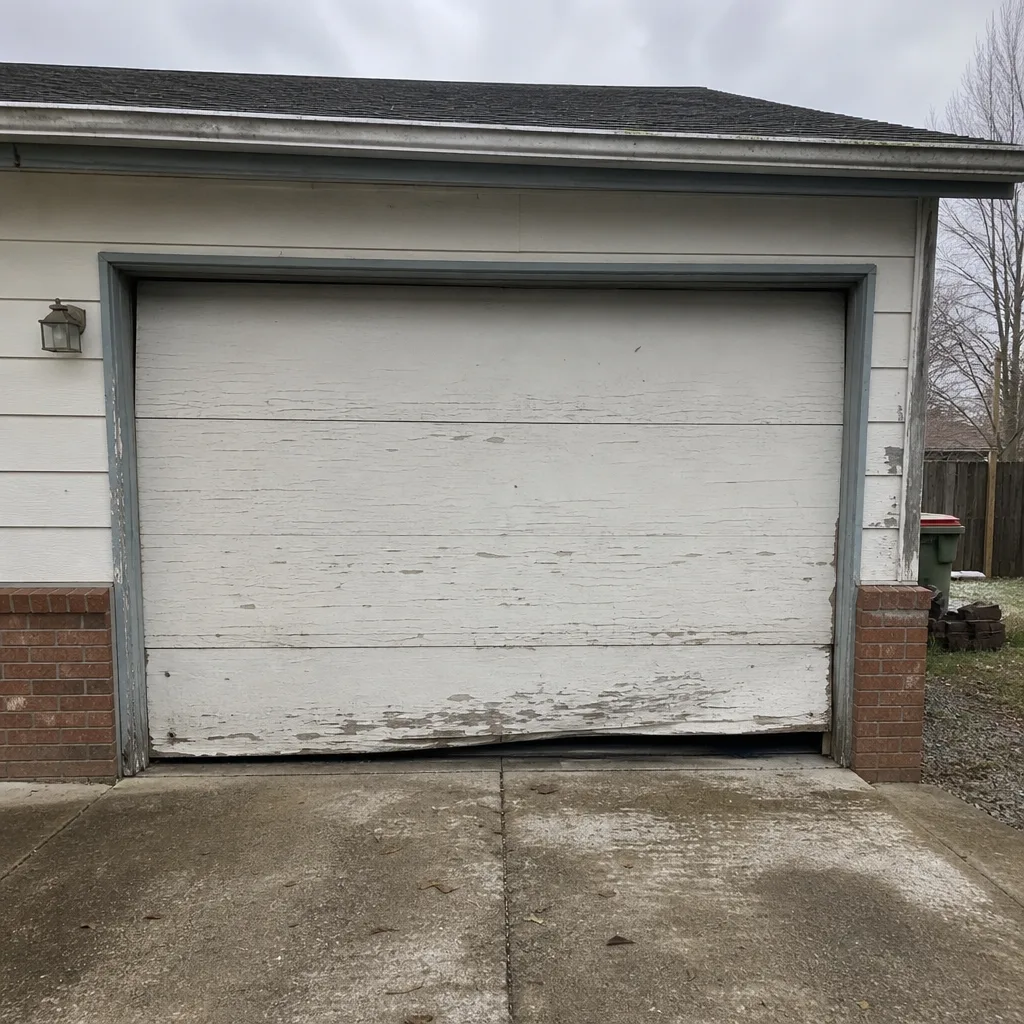 Before
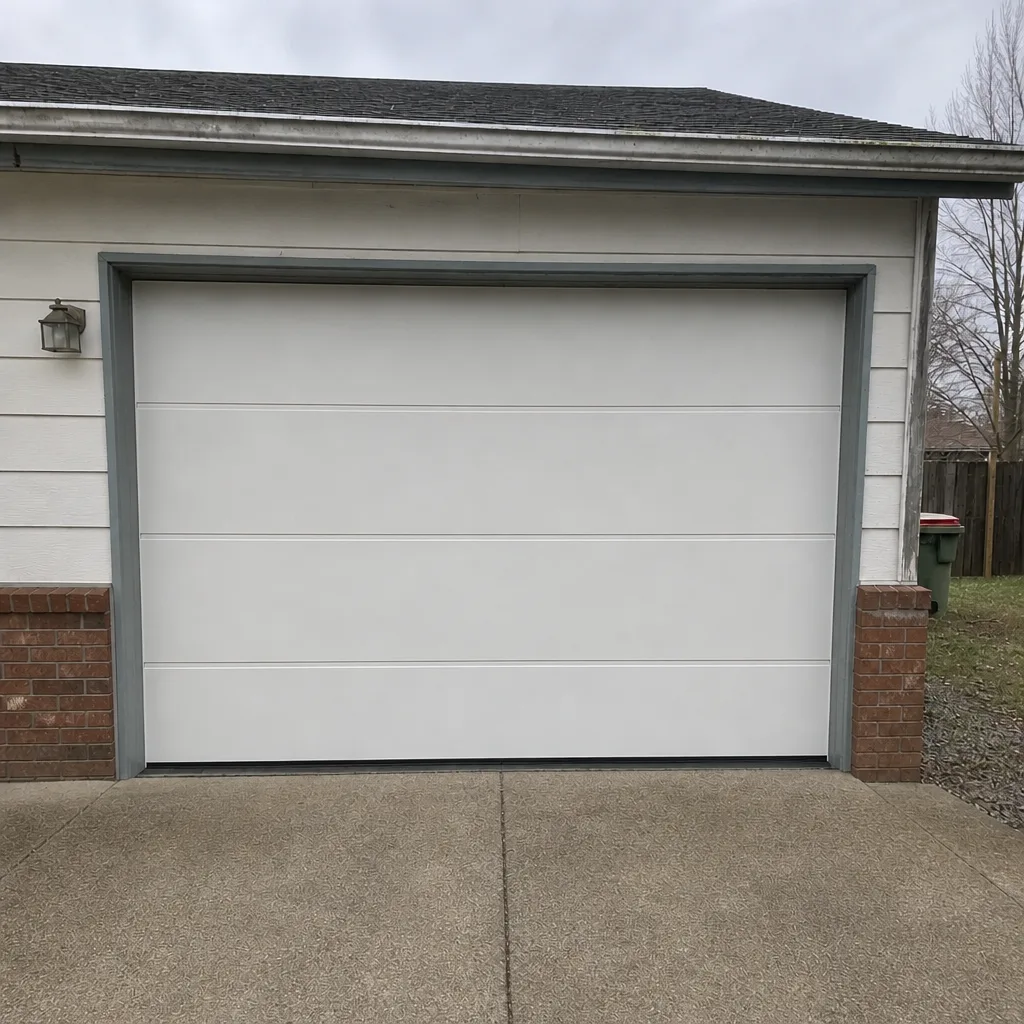 After
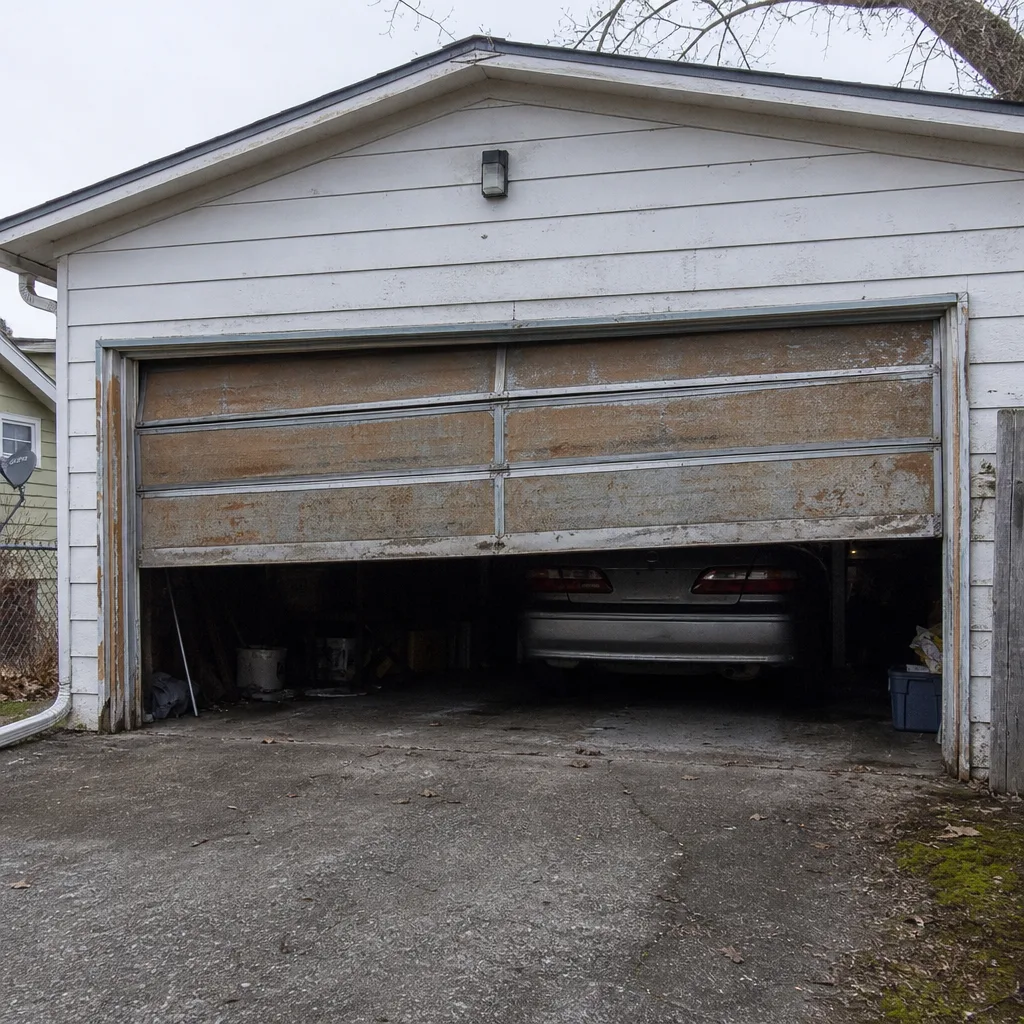 Before
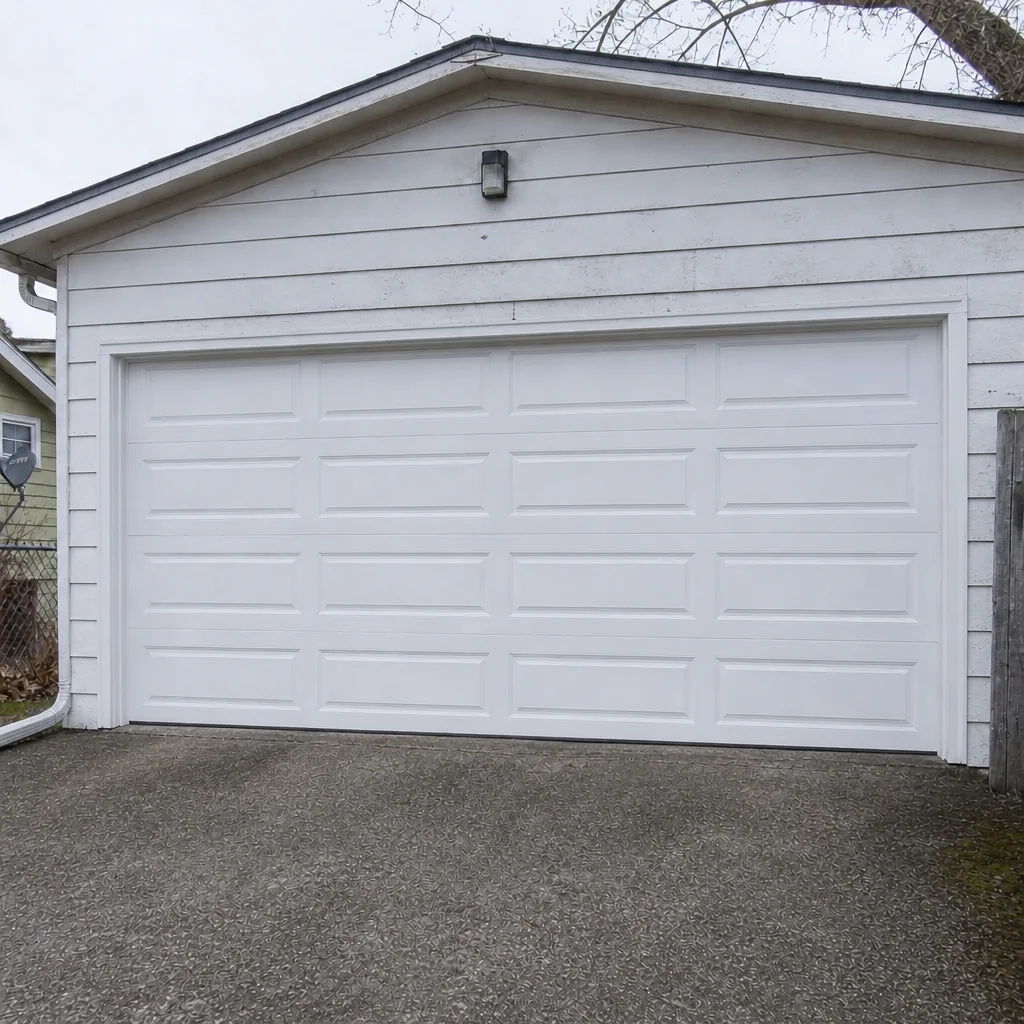 After
When to Call a Professional
Call a professional if your door is stuck open or closed, if you see a broken spring or a cable hanging loose, if the door reverses on its own repeatedly, if it binds in a track, or if it’s making a popping or grinding noise that wasn’t there before. Also call if a door has gone through a season of sitting unused and now won’t move freely. Any of those are worth a same-day call, because a stuck door is also a security gap, and a security gap needs attention sooner rather than later. If your door has failed in any of these ways, South Hill Garage Door Repair is the call we hope you’ll make. We offer emergency garage door service as a standard part of what we do, not a premium add-on, so a failed door never means waiting through a weekend. Free estimates in South Hill are available for anything from a spring replacement to a full door, and you can reach us at (866) 937-7471.
Frequently Asked Questions
Fall is the most important season for South Hill garage doors, and the October transition is the highest-risk window. The dry summer opens gaps and dries out seals, and the first sustained rains find every one of them. Check the bottom seal, tighten the hardware, and clear the gutters above the garage before the rains settle in.
Most winter slowdown in South Hill comes from thicker lubricant in the opener and colder, contracted springs, not from a motor that’s going bad. Standard multi-purpose grease firms up as temperatures drop, and the opener has to work harder against that drag. Swapping to a cold-rated lubricant before the first freeze often solves it without any repair. If the door is also reversing on its own, call us at (866) 937-7471 to have it checked.
No, replacing a garage door spring is not a safe homeowner repair. The spring holds hundreds of pounds of force, and if it’s released incorrectly, it can cause serious injury or damage. Even with the right tools, one small error can throw the bracket or whip the cable. Call a technician for spring work, always.
Twice a year is usually enough, once in early fall and once in early spring, though it depends on how much the door gets used. Use a light grease on the hinges and roller stems, and keep the tracks clean and dry. If your door has a chain or belt opener, check the manufacturer’s spec for the drive component so you don’t overdo it.
Heat expansion is the likely cause if your door faces west or southwest and gets direct afternoon sun. Steel panels expand during the hottest part of the day and contract at night, and a door that worked fine in spring can start catching on one side. The fix is usually a track adjustment, and it’s worth doing before the problem spreads.
We work on virtually every major residential brand, including LiftMaster, Chamberlain, Genie, Clopay, Amarr, Wayne Dalton, Craftsman, and Raynor. That means we can diagnose your opener or door without guessing at the brand, and we can source the right parts for the repair. If your opener isn’t the brand that was installed when the door was new, don’t worry; the mix is common in South Hill.
The Bottom Line
South Hill garage doors live through two very different kinds of stress each year, and the care that matters most is tied to the transitions between them. Fall is the highest-risk window because that’s when moisture finds every gap. Winter is the season of thick lubricant and brittle springs. Spring is the season for the inspection you can’t do from the outside. Summer is the season that quietly tests a sun-facing door’s alignment. A monthly five-minute check plus the fall and spring prep in the calendar above handles the rest. And when a repair is beyond you, we’re one call away.
When you need help with the door itself, whether it’s a worn seal, an opener that’s acting up, or a full garage door replacement, we’re here for it. Call South Hill Garage Door Repair at (866) 937-7471 for a free estimate.
Written by the team at South Hill Garage Door Repair.